Direct answer
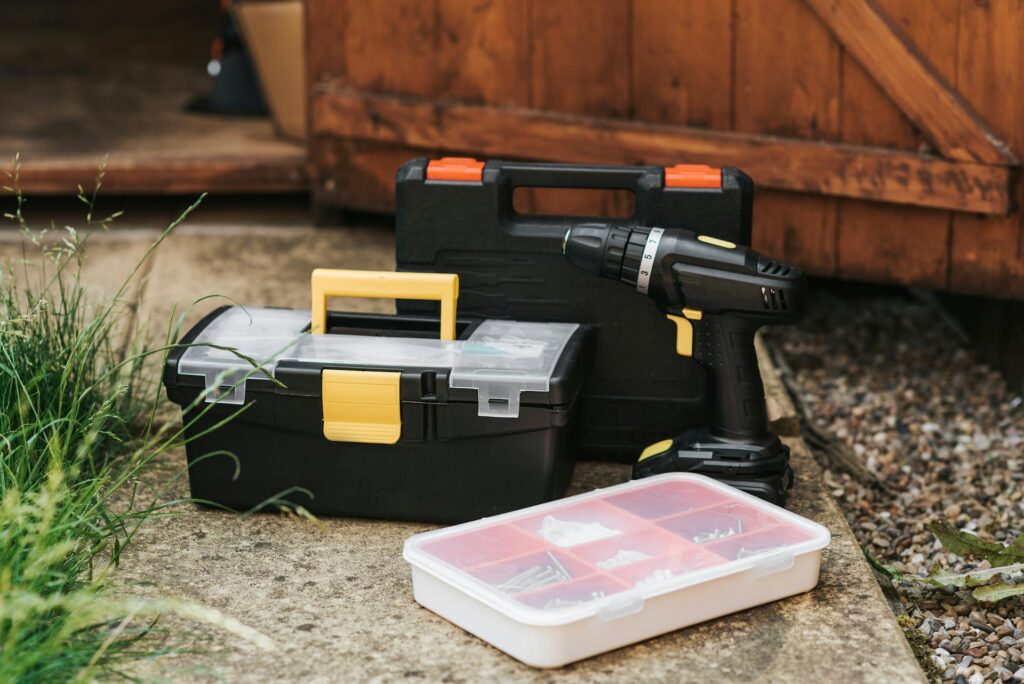
Childproofing focuses on eliminating the hazards that cause the most serious injuries: falls, poisoning, drowning, burns, and suffocation. Most of the work involves securing furniture, locking cabinets that contain hazards, covering electrical outlets, and blocking access to stairs and rooms that can’t be made safe. The bulk of childproofing can be done in a weekend with basic tools and hardware store supplies.
Start with the most serious hazards first
Not all childproofing is equally urgent. Prioritize in order of severity rather than working room by room. The hazards that cause fatalities or serious injury get addressed before the ones that cause minor bumps.
Furniture tip-overs are one of the leading causes of serious injury in young children. Dressers, bookshelves, and televisions that are not anchored to the wall can be pulled down by a climbing child. Anchor every piece of tall furniture to a wall stud using furniture straps. This applies to dressers, bookshelves, wardrobes, filing cabinets, and any freestanding shelving unit. A television on a stand should either be wall-mounted or have the stand anchored. Flat-screen TVs are lighter than older models but still cause serious injury when they fall.
Poisoning hazards need to be locked or moved out of reach entirely. Cleaning products, medications, vitamins, laundry pods, dishwasher pods, and any chemical product need to be in a locked cabinet or stored somewhere genuinely inaccessible. Laundry pods are particularly dangerous because they’re colorful and look appealing to young children.
Stair access needs a gate at both the top and bottom of every staircase. Top-of-stair gates must be hardware-mounted directly into the wall or banister, not pressure-mounted. A pressure-mounted gate at the top of stairs can be pushed out by a child and is not safe in that location. Pressure-mounted gates are acceptable at the bottom of stairs and in doorways.
Water hazards include toilets, bathtubs, buckets, and any standing water. A child can drown in a very small amount of water. Toilet locks prevent toddlers from opening the lid. Never leave standing water in a bathtub or bucket. If the home has a pool or outdoor water feature, a locked fence around it is the most critical safety measure in the entire childproofing process.
Room by room hazards
Kitchen: Cabinet locks on any cabinet containing cleaning products, sharp utensils, heavy cookware, or anything breakable. Stove knob covers prevent children from turning on burners. A stove guard creates a barrier at the front of the stove that prevents reaching onto the cooking surface. Keep pot handles turned inward when cooking so they can’t be grabbed. Move knives, scissors, and other sharp items to a locked or high drawer.
Bathroom: Cabinet locks on all cabinets. Medications stored in a locked cabinet, not just a high one since children climb. Non-slip mat in the tub. Toilet lock. Water heater set to 120°F or below to prevent scalding from hot tap water. A door knob cover on the bathroom door prevents unsupervised access.
Living areas: Outlet covers or tamper-resistant outlet plates on all unused electrical outlets. Cord management for window blind cords, which are a strangulation hazard. Blind cords should be tied up out of reach or replaced with cordless blinds. Corner and edge guards on coffee tables and other sharp-cornered furniture. Secure any floor lamps that can tip easily.
Bedroom: Crib safety standards require slats no more than 2 3/8 inches apart, no drop sides, and a firm mattress with no gap between mattress and crib frame. Keep the crib clear of pillows, bumpers, stuffed animals, and loose bedding for infants. Window guards or window stops on upper-floor windows prevent falls. A window stop limits how far a window can open without preventing ventilation entirely.
Garage and utility areas: These spaces often contain the most concentrated hazards in any home. All chemicals, automotive fluids, pesticides, and tools need to be locked or genuinely inaccessible. A door from the house to the garage should have a self-closing mechanism and a lock the child cannot reach or operate.
Electrical safety beyond outlet covers
Outlet covers address unused outlets but don’t help with cords and power strips in use. Power strips should be in cord management boxes that block access to the outlets while in use. Cords running along the floor or walls should be secured in cord covers so they can’t be pulled.
Heavy appliances like televisions and monitors connected to power cords that hang down are a pull hazard. Route cords along the wall and out of reach where possible.
What to do about stairs and room access
Hardware-mounted gates are the standard for stairs. For doorways to rooms that can’t be fully childproofed, a pressure-mounted gate or a door knob cover that prevents the child from operating the handle are both workable options depending on the age of the child.
Door pinch guards attach to the top of the door and prevent it from closing fully, which eliminates finger-pinching injuries from doors slamming. These are inexpensive and install in seconds.
Door slam stoppers or door holders keep doors from swinging shut on small hands in high-traffic areas like the bathroom and bedroom.
Choking hazards
Children under three are at significant risk from small objects. Anything small enough to fit through a toilet paper tube is a choking hazard. Go through each room from floor level and identify small items: coins, batteries, small toys, jewelry, button batteries from remotes and small electronics, and any broken toy parts.
Button batteries are among the most dangerous small objects in a household because they cause serious internal injury quickly if swallowed. Remote controls, key fobs, watches, and small electronics that use button batteries should be kept out of reach and have their battery compartments taped shut as an additional precaution.
Ongoing adjustments as children develop
Childproofing is not a one-time task. A gate that contains a crawling infant doesn’t stop a toddler who has learned to climb. A cabinet lock that a two-year-old can’t open may be figured out by a three-year-old. Reassess as the child develops new abilities and adjust the measures accordingly.
The most hazardous period is generally from crawling through age four, with different hazards becoming more or less relevant as the child’s mobility and curiosity increase. By school age most standard childproofing measures can be gradually removed, though firearms, medications, and toxic chemicals should remain locked regardless of the child’s age.
What to check before visitors bring children
A home that isn’t regularly childproofed needs a quick check before young visitors arrive. The priorities are unlocked cabinets with hazardous contents, unsecured furniture in the rooms children will be in, accessible medications anywhere in the house, and uncovered outlets. A fifteen-minute walk-through addressing those four things covers the most serious risks for a short visit.