Direct answer
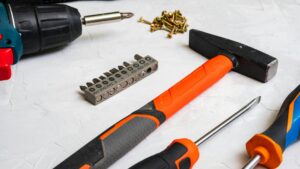
A basic home tool kit should include a small set of essential tools that handle common repairs and adjustments, such as a hammer, screwdrivers, pliers, an adjustable wrench, a tape measure, and a level. You don’t need a large collection to get started. A few reliable tools will cover most everyday tasks.
Why a basic tool kit matters
Most small household problems don’t require a professional. Loose screws, minor wall damage, or simple adjustments come up more often than you expect.
Without the right tools, even a quick fix turns into a delay or an extra expense.
A basic tool kit keeps those small issues manageable. It also helps you stay on top of maintenance instead of letting things build up.
Start with the core tools
You don’t need to overthink this. A small group of tools will handle most situations around the house.
These are the ones worth having first:
- A hammer for hanging and light repairs
- A screwdriver set (both flathead and Phillips)
- Pliers for gripping, twisting, and pulling
- An adjustable wrench for bolts and fittings
- A tape measure for quick measurements
- A level for hanging items straight
This set covers a wide range of everyday tasks without taking up much space.
If you’re trying to keep costs low, you can build a solid starter set without overspending. See How to Build a Basic Home Tool Kit on a Budget for a simple breakdown of what to prioritize and where to save.
Add a few extras that make things easier
Once you have the basics, a few additional tools can make common jobs quicker and less frustrating.
A utility knife is useful for opening packages and cutting materials cleanly.
A set of hex keys (Allen wrenches) helps with furniture assembly and adjustments.
A stud finder can make hanging heavier items more secure.
These aren’t required on day one, but they’re worth adding as you go.
Choose quality without overspending
You don’t need professional-grade tools, but extremely cheap tools can wear out quickly or feel difficult to use.
Look for:
- Solid construction without loose parts
- Comfortable grips
- Simple, reliable designs
For a basic kit, mid-range options are usually the best balance between cost and durability.
Keep everything in one place
A tool kit only helps if you can find it when you need it.
Store your tools:
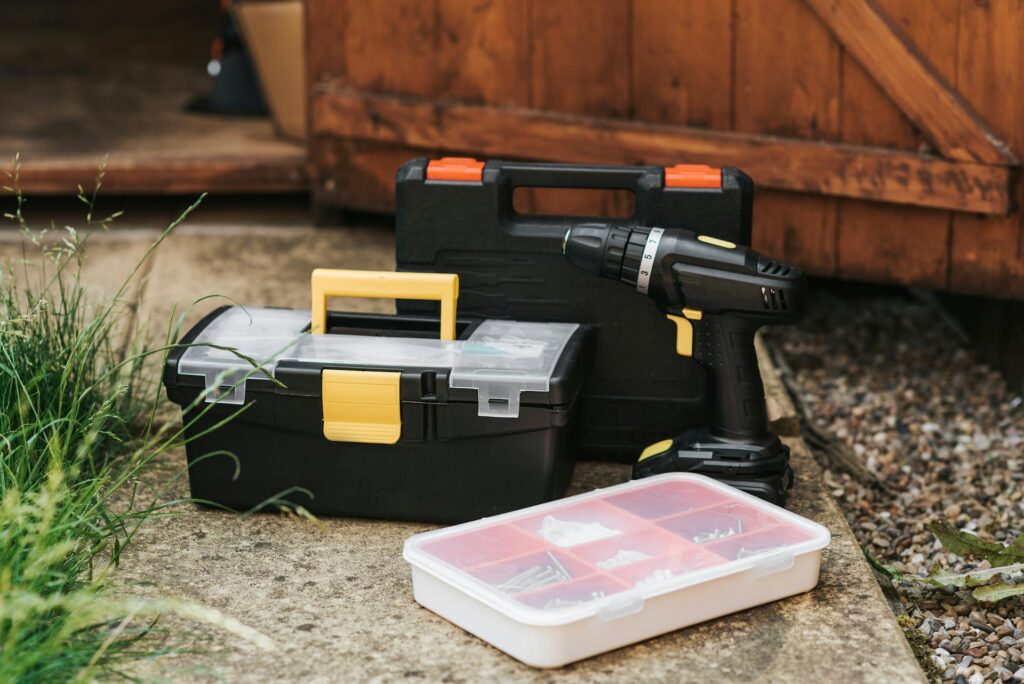
- In a small toolbox or container
- In a consistent, easy-to-reach location
- Organized so each tool has a clear place
This saves time and prevents tools from getting lost or damaged.
Build your kit over time
You don’t need to buy everything at once.
Start with the core tools, then add items as new needs come up. This keeps your spending low and ensures that everything you own is actually useful.
Over time, your kit becomes more complete without unnecessary extras.
Common mistakes to avoid
A lot of tool kits become cluttered or ineffective because of a few simple missteps.
- Buying too many tools upfront often leads to items that never get used.
- Choosing the cheapest option every time can mean replacing tools more often.
- Letting tools scatter around the house makes them harder to find when you need them.
Keeping your setup simple and intentional avoids all of these issues.
A simple setup goes further than a large one
A basic home tool kit isn’t about having everything. It’s about having the right tools, ready when you need them.
A small, well-chosen set will handle most tasks and make everyday maintenance easier without adding clutter or unnecessary cost.