

How to Clean Gutters Safely
Direct answer Cleaning gutters requires the right ladder setup, basic tools, and a systematic approach from one end of the
How to Clean Gutters Safely Read More »
Direct answer Cleaning gutters requires the right ladder setup, basic tools, and a systematic approach from one end of the
How to Clean Gutters Safely Read More »

Direct answer Most screen repairs fall into two categories: patching a small hole or tear, and replacing the entire screen
How to Repair a Screen Door or Window Screen Read More »
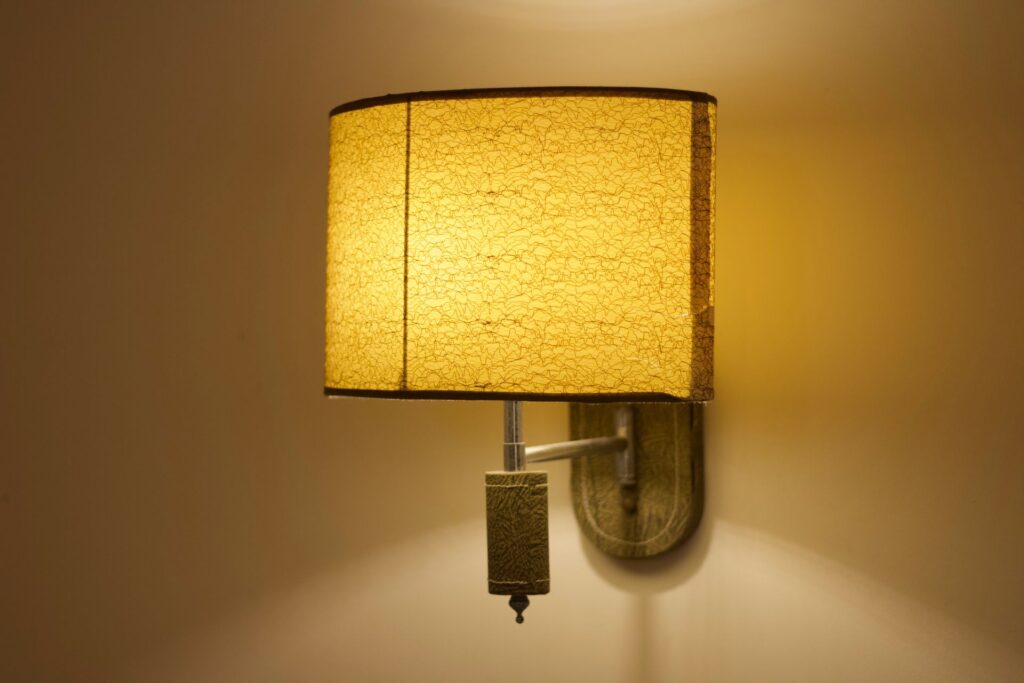
Direct answer Replacing a light fixture is a straightforward job for most ceiling and wall fixtures. The critical requirement is
How to Replace a Light Fixture Safely Read More »
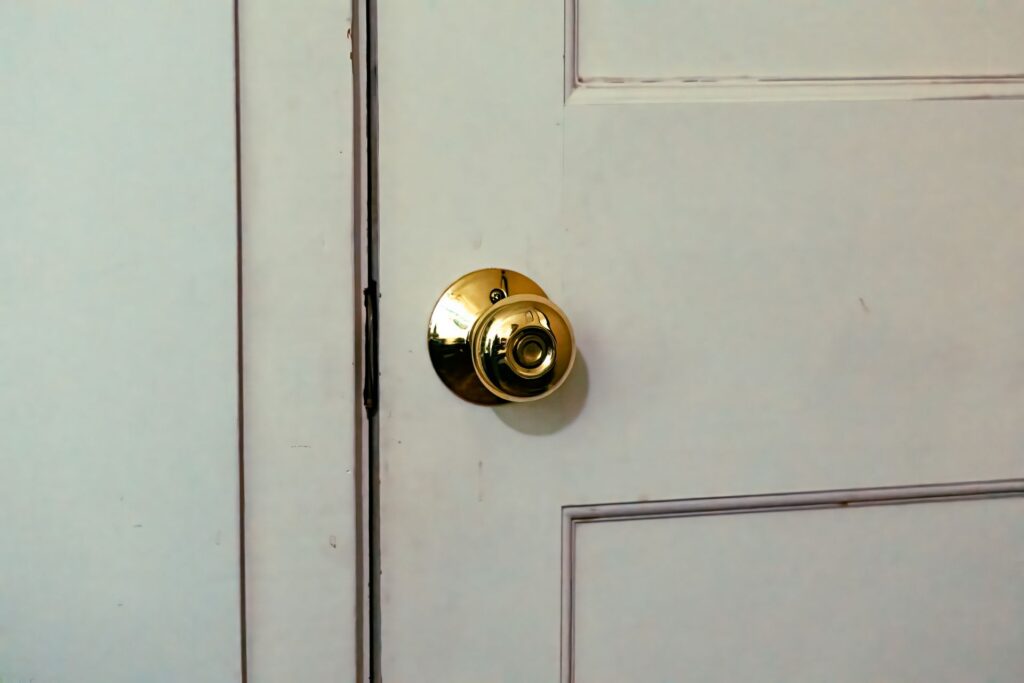
Direct answer A sticking door is caused by one of three things: swollen wood from humidity, loose or shifted hinges,
How to Stop a Door from Sticking Read More »

Direct answer Most household pest problems start with access and food sources. Sealing entry points, eliminating what attracts pests, and
How to Keep Your Home Pest-Free Naturally Read More »
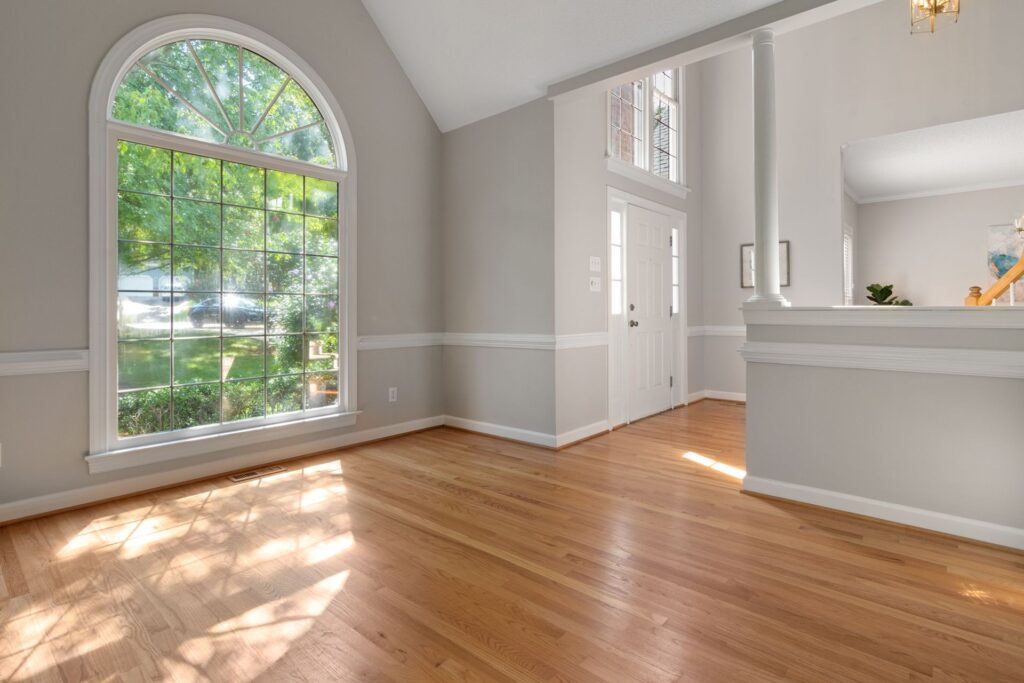
Direct answer Floor maintenance comes down to two things: keeping abrasive dirt off the surface before it causes damage, and
How to Maintain Floors with Minimal Effort Read More »

Direct answer Most cabinet doors that won’t close properly are fixed by adjusting the hinges, not replacing them. Modern European-style
How to Adjust Cabinet Doors That Won’t Close Properly Read More »
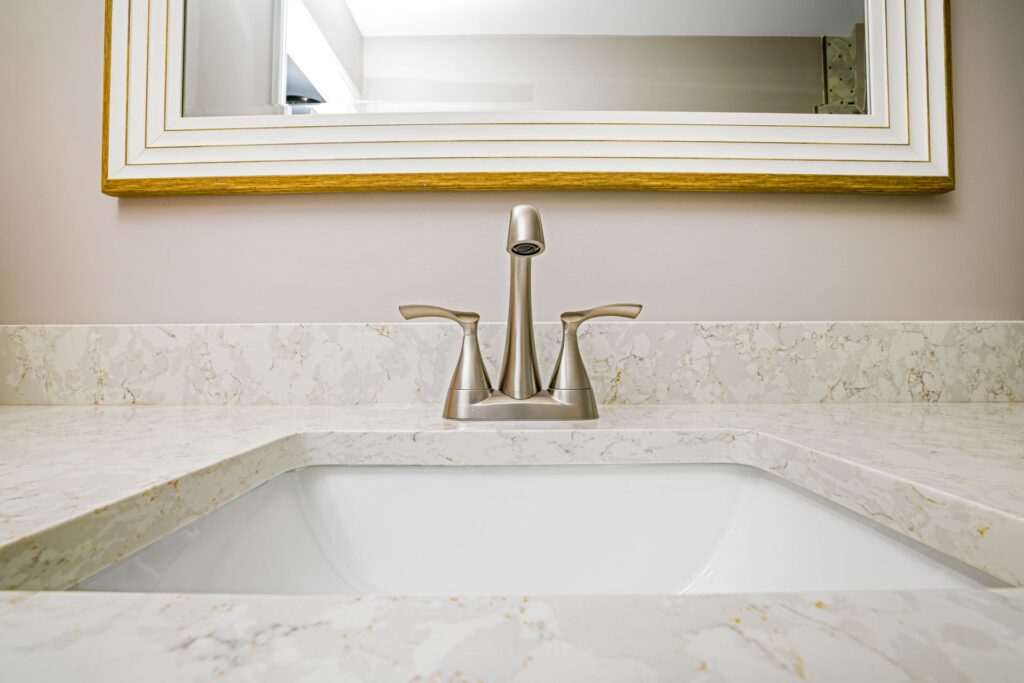
Direct answer Re-caulking a bathtub or sink takes about an hour of active work plus drying time. The job requires
How to Re-Caulk a Bathtub or Sink Read More »
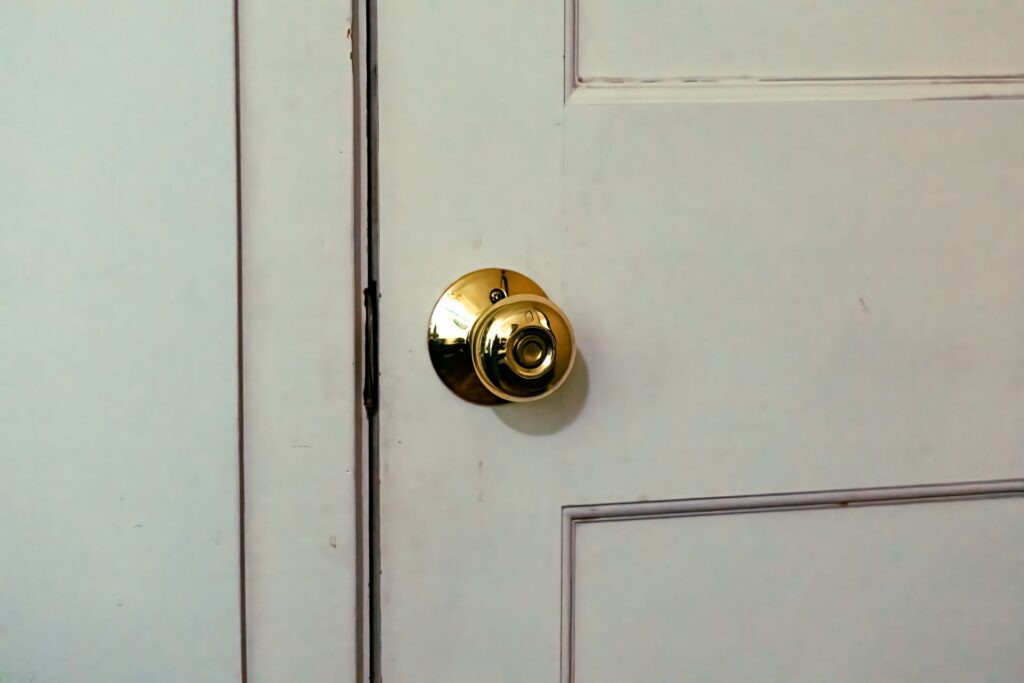
Direct answer A loose doorknob is almost always fixed by tightening one or two screws. The process takes under ten
How to Fix a Loose Doorknob Read More »
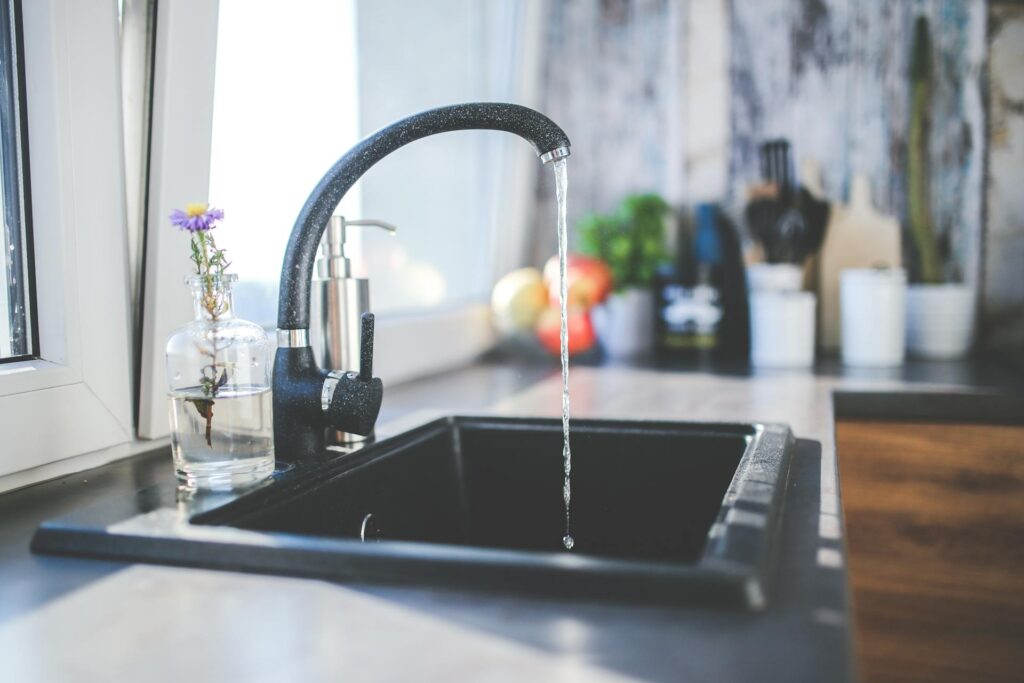
Direct answer Most dripping faucets are caused by a worn washer, O-ring, or cartridge. The fix is replacing the faulty
How to Fix a Dripping Faucet Read More »
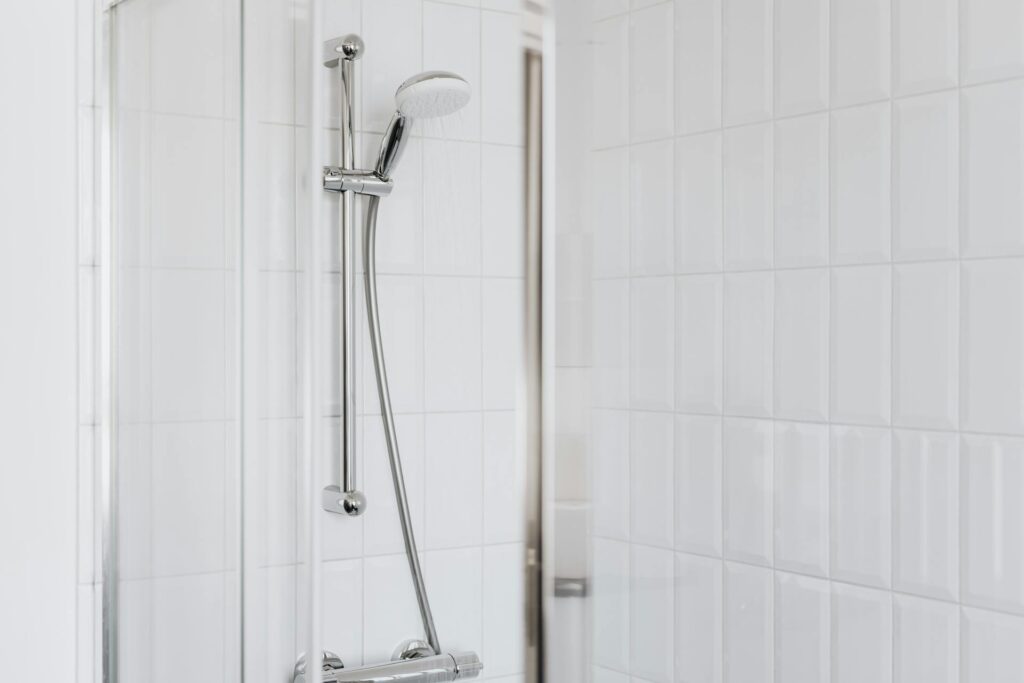
Direct answer Replacing a showerhead takes about 10 minutes and requires no special skills or plumbing knowledge. You need an
How to Replace a Showerhead Read More »

Direct answer White lithium grease or a dry PTFE lubricant are the best options for door hinges in most homes.
Best Lubricant for Squeaky Door Hinges Read More »