
Direct answer
Most household pest problems start with access and food sources. Sealing entry points, eliminating what attracts pests, and using a few targeted natural deterrents handles the majority of common household pests without chemical sprays. Natural methods work best as prevention. An active infestation, particularly of rodents, termites, or bed bugs, typically needs professional treatment.
Why pests come inside
Pests enter homes looking for three things: food, water, and shelter. A home that provides easy access to any of these is more attractive to pests than one that doesn’t. Most natural pest control is about removing those attractions rather than killing pests after they’ve arrived.
Seasonal pressure plays a role too. Insects and rodents move indoors in colder months seeking warmth, and some insects are more active in summer and follow humidity and food sources. A home that’s well sealed and clean year-round has fewer problems across all seasons than one that addresses pests reactively.
Seal entry points first
No deterrent works well if pests can walk in freely. A gap as small as a quarter inch is enough for a mouse to enter. Insects need even less.
Inspect the exterior of the home for gaps around pipes, utility lines, and conduit where they enter the house. Fill small gaps with steel wool packed tightly, then seal over it with caulk. Steel wool alone compresses over time. Caulk alone can be chewed through by rodents. Both together hold.
Check door sweeps and weatherstripping on all exterior doors. A door with a visible gap at the bottom is an open invitation for insects and small rodents. Replace worn door sweeps and weatherstripping as part of regular home maintenance rather than waiting until pests become a problem.
Window and door screens with tears or gaps let insects in directly. Inspect screens seasonally and patch or replace any with damage. Small screen patches are inexpensive and apply in minutes.
Vents and openings for the dryer, HVAC, and crawl spaces should have intact covers with fine mesh that keeps pests out while allowing airflow. Check these annually and replace any covers with gaps or damage.
Remove food and water sources
A clean home is significantly less attractive to pests than one with accessible food and moisture.
Food storage is the most important factor for pantry pests like ants, weevils, and cockroaches. Store dry goods including flour, rice, oats, pasta, cereal, and pet food in sealed hard-sided containers rather than in their original packaging. Most pantry packaging is not pest-proof. A weevil infestation almost always starts in an open bag of flour or grain that was stored too long.
Trash management matters more than most people realize. Empty kitchen trash cans regularly and use bins with lids. Rinse food containers before putting them in recycling since residue in bottles and cans attracts pests as reliably as open food.
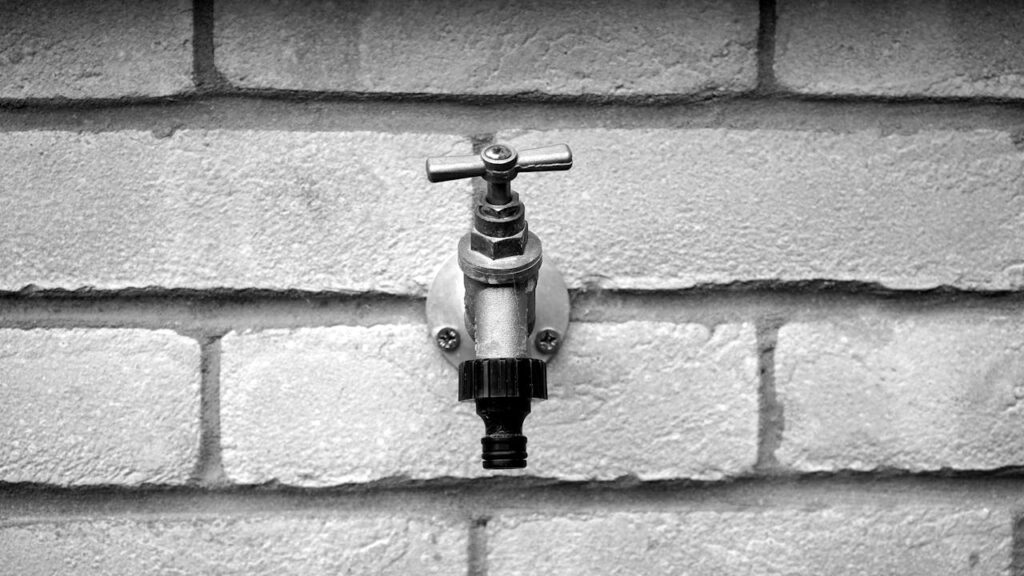
Moisture and standing water attract cockroaches, silverfish, and some ant species. Fix any dripping faucets or pipes under the sink promptly. Check under appliances for moisture. Run the bathroom exhaust fan during and after showers to reduce humidity. A dehumidifier in a damp basement significantly reduces pest pressure in that space.
Pet food left out overnight is a significant attractant for ants, cockroaches, and rodents. Pick up pet bowls after feeding rather than leaving food out continuously.
Clutter provides shelter that pests use for nesting and hiding. Cardboard boxes stored on the floor of a garage or basement are a common nesting spot for rodents and cockroaches. Replace cardboard with sealed plastic bins and keep storage off the floor where possible.
Natural deterrents that work
These are most effective as part of a prevention system, not as a standalone solution for an active problem.
Diatomaceous earth is a fine powder made from fossilized algae that damages the exoskeleton of insects and causes them to dehydrate. It’s effective against ants, cockroaches, silverfish, and other crawling insects. Apply a thin layer along baseboards, under appliances, around the perimeter of pantry shelves, and in other areas where insects travel. Use food-grade diatomaceous earth rather than the pool-filter grade. It works slowly but has no chemical residue and remains effective as long as it stays dry.
Peppermint oil is a well-documented deterrent for mice and some insects including spiders and ants. Soak cotton balls in peppermint oil and place them in areas where pests enter or travel, behind appliances, in cabinet corners, along the base of exterior walls. Replace every few weeks as the scent fades. This works as a deterrent rather than a killer so it needs to be used alongside sealing and sanitation rather than instead of them.
White vinegar disrupts the scent trails that ants use to navigate and communicate with their colony. Wiping down surfaces where ants have been with undiluted white vinegar removes the trail and discourages follow-up. This addresses the scouts rather than the colony, so pairing it with finding and sealing the entry point they’re using is necessary for a complete solution.
Cedar repels moths and some other insects and is the appropriate deterrent for clothing storage and closets. Cedar blocks, cedar hangers, and cedar drawer liners lose their effectiveness as they dry out. Sand them lightly each season to refresh the surface and restore the scent.
Bay leaves placed in pantry shelves and dry food storage areas deter weevils, moths, and other pantry insects. Place a few dried bay leaves in flour containers, on pantry shelves, and near dry goods. They don’t kill existing pests but discourage new ones from settling in.
Pest-specific notes
Ants almost always have an entry point that can be found and sealed. Follow the trail to where they’re entering and seal it with caulk. Remove whatever food source they’re reaching. Vinegar along the trail buys time while you find and address the source.
Cockroaches are drawn to warmth, moisture, and food residue. The kitchen and bathroom are the most common locations. Diatomaceous earth under appliances and along baseboards, combined with eliminating moisture and keeping food sealed, handles most minor cockroach problems. A significant infestation usually requires professional treatment since cockroaches reproduce rapidly and hide in areas that are difficult to treat without specialized equipment.
Fruit flies breed in overripe fruit, drains, and any fermenting organic material. Remove overripe produce, clean drain openings with baking soda and vinegar, and eliminate any standing moisture. A trap made from a jar with apple cider vinegar and a drop of dish soap captures adult flies while the source is addressed.
Spiders are largely beneficial since they eat other insects but are unwelcome in most homes. Reducing the insect population overall reduces spiders. Peppermint oil along baseboards and in corners deters them. Regular vacuuming of corners, window sills, and behind furniture removes webs and egg sacs before populations build.
Rodents are the most serious natural pest problem in most homes. Sealing entry points is the most important step. Peppermint oil deters them but won’t resolve an active problem. Snap traps are the most effective and humane mechanical option for active rodent problems. A significant rodent infestation or any sign of rodents in walls or the attic warrants professional assessment since rodents cause structural damage and carry disease.
What doesn’t work reliably
Ultrasonic repellent devices have limited evidence of effectiveness and don’t substitute for sealing and sanitation.
Essential oils other than peppermint have limited evidence for pest deterrence. Lavender, eucalyptus, and similar oils are sometimes recommended but the research supporting them is thin.
Natural methods for an active infestation of bed bugs, termites, or significant rodent activity. These situations need professional treatment. Natural prevention methods are not adequate once these pests are established.