Direct Answer
To clean and maintain a dryer vent, disconnect the dryer, remove lint from the vent hose and duct, clean the exterior vent opening, and reconnect everything securely. Lint buildup restricts airflow and increases fire risk, so most dryer vents should be cleaned every 6–12 months depending on usage. Regular maintenance helps the dryer run more efficiently and dry clothes faster.
Why Dryer Vent Cleaning Matters
Dryer vents carry hot, moist air and lint from the dryer to the outside. Over time, lint accumulates inside the hose and duct.
This buildup can:
- Reduce airflow and increase drying time
- Cause the dryer to overheat
- Increase the risk of fire
- Raise energy usage
Keeping the vent clear helps the dryer operate safely and efficiently.
Supplies You’ll Need
- Vacuum with hose attachment
- Dryer vent brush or cleaning kit
- Screwdriver (if clamps are used)
- Microfiber cloth or paper towels
- Gloves (optional)
Step-by-Step: How to Clean a Dryer Vent
1. Unplug the Dryer
Disconnect the dryer from the power source.
If it is a gas dryer, also turn off the gas supply before moving the unit.
This reduces the risk of electrical or gas-related hazards.
2. Move the Dryer Away from the Wall
Carefully pull the dryer away from the wall to access the vent hose.
Avoid pulling too far or too quickly, especially if the hose is still attached.
3. Disconnect the Vent Hose
Loosen the clamp or fastener holding the vent hose in place.
Gently remove the hose from both the dryer and the wall connection.
Lint often collects heavily at these connection points.
4. Remove Lint from the Hose and Duct
Use a vacuum or dryer vent brush to clean:
- Inside the vent hose
- The wall duct opening
- The dryer exhaust port
Work slowly to remove as much lint as possible. Even partial blockages can reduce airflow.
5. Clean the Exterior Vent Opening
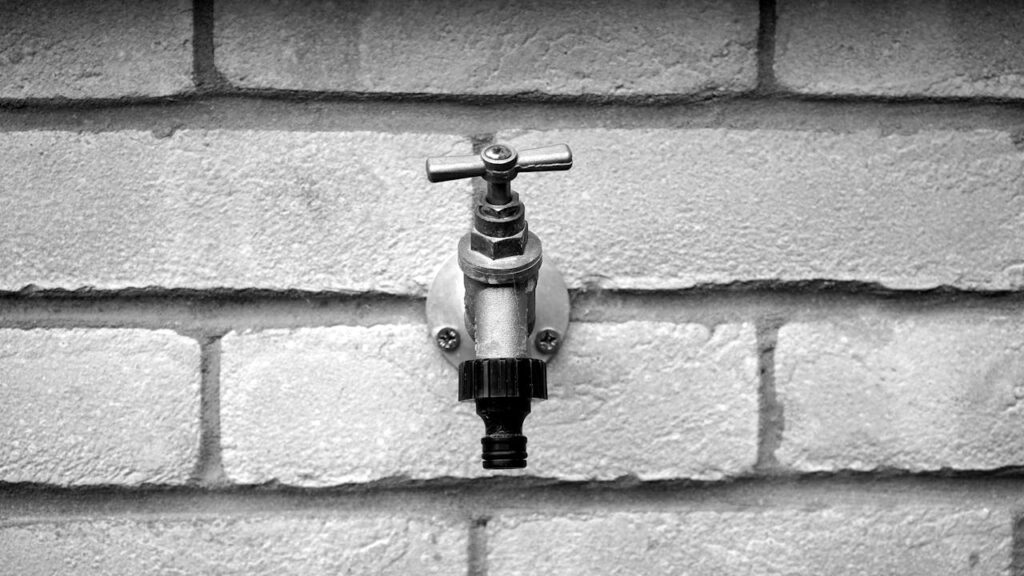
Go outside and locate the exterior vent.
Remove any visible lint, debris, or obstructions around the vent cover.
Make sure the vent flap opens and closes freely.
Outdoor buildup can restrict airflow just as much as interior lint.
6. Reconnect and Secure the Hose
Reattach the vent hose to the dryer and wall connection.
Tighten clamps securely, but avoid crushing or kinking the hose.
A secure connection prevents lint and air from leaking into the home.
7. Test the Dryer
Plug the dryer back in (and turn the gas supply back on if applicable).
Run the dryer for a few minutes and check:
- Airflow at the exterior vent
- Any unusual noises
- Proper operation
Strong airflow indicates the vent is clear.
Why This Method Works
Lint buildup restricts airflow, which forces the dryer to work harder and trap heat inside the system. Removing lint restores proper airflow, allowing moisture to exit efficiently. This reduces drying time, lowers energy use, and decreases the risk of overheating.
Cleaning both the interior hose and exterior vent ensures the entire system is clear.
Common Mistakes to Avoid
- Cleaning only the lint trap and ignoring the vent
- Failing to unplug the dryer before cleaning
- Crushing or kinking the vent hose during reinstallation
- Skipping the exterior vent check
- Waiting too long between cleanings
These mistakes can reduce airflow and increase fire risk.
Optional Tips
- Clean the lint trap after every load to reduce buildup in the vent. This is the first step in preventing clogs.
- If drying times increase noticeably, check the vent sooner than scheduled. Longer cycles often signal restricted airflow.
- Use a dryer vent cleaning brush or long flexible attachment to reach deeper into the duct. These tools are designed to extend into the vent and remove lint that a standard vacuum cannot reach, especially in longer or hard-to-access sections.
When to Call a Professional
Contact a professional if:
- The vent system is long or difficult to access
- You cannot remove all lint from the duct
- The dryer continues overheating or takes too long to dry clothes
- There are signs of heavy blockage deeper in the vent system
Professional tools may be required for full cleaning.
Important Task
Cleaning and maintaining a dryer vent is an important safety and efficiency task. Regular removal of lint buildup helps reduce fire risk, improves drying performance, and extends the life of the dryer.