Direct Answer
To test smoke detectors properly, press and hold the test button until the alarm sounds, then confirm it is loud and consistent. Test each detector monthly and replace batteries as needed. Regular testing ensures the alarm will activate in an emergency and helps identify weak batteries or faulty units.
Why Smoke Detector Testing Matters
Smoke detectors are often overlooked until an emergency occurs. Dust buildup, weak batteries, or aging components can prevent them from working correctly.
Regular testing helps:
- Confirm the alarm sounds at full volume
- Identify low or dead batteries
- Ensure detectors respond when needed
- Maintain overall home safety
A working smoke detector provides early warning that can make a critical difference.
Supplies You’ll Need
- Step stool or ladder (for ceiling units)
- Replacement batteries (if needed)
- Microfiber cloth or vacuum (for dust removal)
Most testing can be done without tools.
Step-by-Step: How to Test Smoke Detectors
1. Locate All Smoke Detectors
Identify all detectors in your home.
Common locations include:
- Hallways near bedrooms
- Inside or near sleeping areas
- Living areas
- Each level of the home
Testing all units ensures full coverage.
2. Press the Test Button
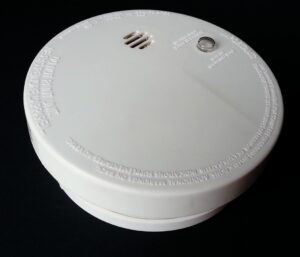
Press and hold the test button on the detector.
The alarm should sound loudly within a few seconds.
A strong, consistent alarm indicates the unit is functioning.
3. Listen for Volume and Consistency
Pay attention to the sound:
- It should be loud enough to hear from other rooms
- It should not sound weak or inconsistent
A weak sound may indicate a low battery or aging unit.
4. Replace Batteries if Needed
If the alarm is weak or does not sound:
- Replace the batteries
- Test the unit again
Even if the alarm works, batteries should typically be replaced once a year or as recommended by the manufacturer.
5. Clean the Detector
Dust can affect performance over time.
Use a dry cloth or vacuum attachment to gently clean around vents and openings.
Cleaning helps maintain sensitivity and reduce false alarms.
Why This Method Works
The test button checks the detector’s internal electronics and alarm function. Regular testing ensures the device can produce a strong warning sound when needed. Replacing batteries and removing dust helps maintain consistent performance.
Testing all units regularly ensures full protection throughout the home.
Common Mistakes to Avoid
- Testing only one detector instead of all units
- Ignoring weak or inconsistent alarm sounds
- Skipping regular battery replacement
- Forgetting to clean dust from detectors
- Assuming a working light means the unit is functioning properly
These mistakes can reduce the effectiveness of smoke detectors.
Optional Tips
- Test smoke detectors once a month to ensure reliability.
- Replace batteries at the same time each year to stay consistent.
- Consider interconnected detectors so all alarms sound at once when one is triggered.
When to Replace the Detector
Smoke detectors do not last indefinitely.
Replace the entire unit if:
- It is more than 8–10 years old
- It fails to respond after battery replacement
- It produces inconsistent or weak alarms
Most units have a manufacture date printed on the back.
Final Notes
Testing smoke detectors regularly helps ensure they work when needed most. A few minutes each month can confirm that your home has reliable early warning in case of smoke or fire.