Direct Answer
To identify common household leaks, look for visible signs such as water stains, dripping, or damp areas, check high-risk fixtures like sinks and toilets, and monitor your water meter for unexplained usage. Many leaks develop slowly, so early detection helps prevent damage and reduces water waste. Most leaks can be identified in 15–30 minutes with a basic inspection.
Why Leak Detection Matters
Small leaks can go unnoticed but still cause damage over time. Moisture buildup can lead to mold, warped materials, and higher water bills.
Identifying leaks early helps:
- Prevent structural damage
- Reduce water waste
- Avoid costly repairs
- Maintain a healthier indoor environment
Routine checks make it easier to catch issues before they worsen.
Common Signs of a Leak
Leaks are not always obvious. Watch for these signs:
- Water stains on ceilings or walls
- Peeling paint or bubbling drywall
- Musty or damp odors
- Unexplained increase in water bills
- Damp or soft spots on floors
These signs often indicate hidden moisture behind surfaces.
Step-by-Step: How to Check for Leaks
1. Inspect Visible Plumbing
Check under sinks, around toilets, and near appliances such as dishwashers and washing machines.
Look for:
- Drips or pooled water
- Damp cabinets or flooring
- Corrosion on pipes or fittings
These areas are among the most common sources of household leaks.
2. Check Toilets for Silent Leaks
Remove the toilet tank lid and observe the water inside.
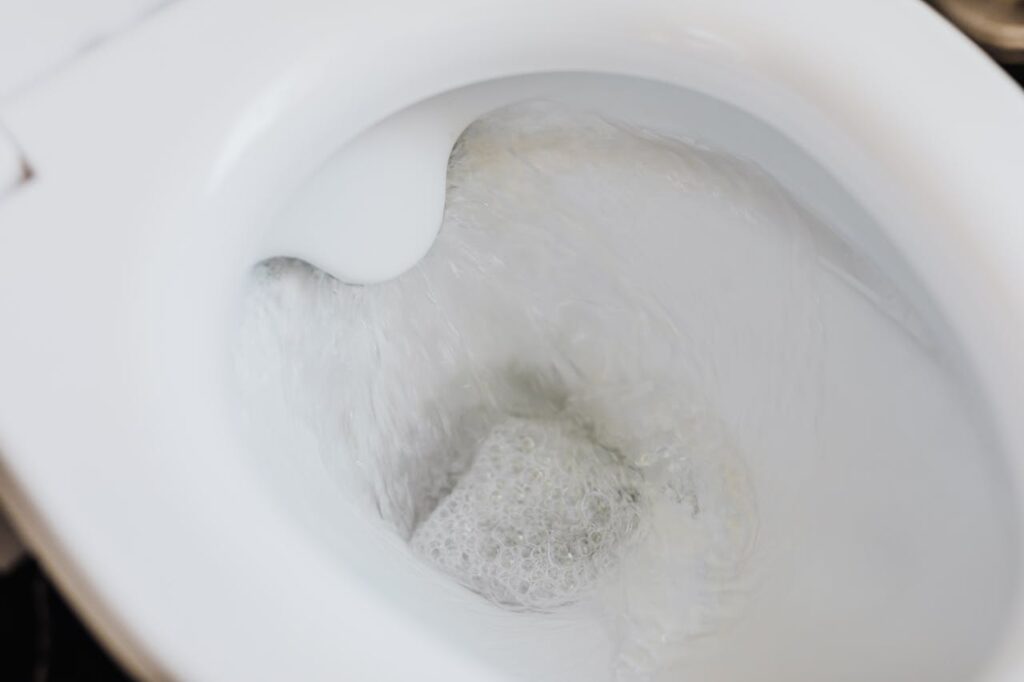
If water continues running or you hear a constant refill sound, there may be a leak inside the tank.
You can also add a few drops of food coloring to the tank and wait 10–15 minutes. If color appears in the bowl without flushing, the toilet is leaking.
3. Examine Faucets and Fixtures
Turn on faucets and check for:
- Dripping after turning off
- Water around the base
- Loose handles or fittings
Even slow drips can waste a significant amount of water over time.
4. Inspect Appliances
Check appliances that use water, including:
- Washing machines
- Dishwashers
- Refrigerators with water lines
Look behind and beneath these appliances for moisture or signs of leakage.
5. Check the Water Meter
Turn off all water-using fixtures in your home.
Locate your water meter and note the reading. Wait 15–30 minutes without using water, then check again.
If the reading changes, there may be a hidden leak somewhere in the system.
6. Check Outdoor Areas
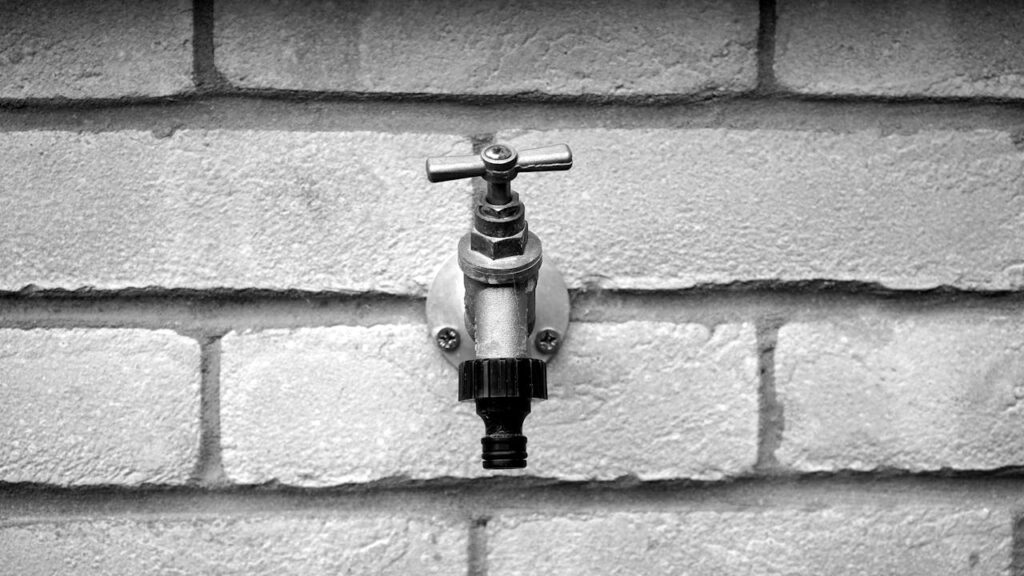
Inspect outdoor faucets, hoses, and irrigation systems.
Look for:
- Wet soil around pipes or connections
- Dripping outdoor spigots
- Leaks in sprinkler lines
Outdoor leaks can go unnoticed but still increase water usage.
Why This Method Works
Leaks often leave physical signs such as moisture, staining, or sound. Checking high-risk areas helps identify common failure points. Monitoring the water meter helps detect hidden leaks that are not immediately visible.
Combining visual inspection with simple testing increases the chances of early detection.
Common Mistakes to Avoid
- Ignoring small drips or damp spots
- Checking only visible areas and missing hidden leaks
- Not monitoring the water meter
- Delaying repairs after finding a leak
- Assuming higher water bills are normal
These mistakes can allow minor leaks to become larger problems.
Optional Tips
- Perform a quick leak check every few months to catch issues early. Small inspections are easier than dealing with major repairs later.
- Keep an eye on areas behind appliances and inside cabinets, especially after installing new fixtures.
- If you notice recurring moisture in the same area, investigate further rather than wiping it away repeatedly.
When to Call a Professional
Contact a plumber if:
- You cannot locate the source of a suspected leak
- There is water damage behind walls or ceilings
- The leak involves main water lines
- Mold or significant moisture buildup is present
Hidden or complex leaks often require professional tools and expertise.
Final Notes
Identifying household leaks early helps prevent damage, reduce water waste, and avoid costly repairs. Regular checks and attention to common problem areas can make it easier to maintain a safe and well-functioning home.