
Direct answer
A seasonal cleaning routine covers the tasks that don’t belong on a weekly or monthly schedule but deteriorate noticeably if they go a full year without attention. Four times a year, once per season, is the right frequency for most of these tasks. The routine works best as a checklist tied to a specific time of year rather than a vague intention to deep clean when things start looking bad.
What seasonal cleaning is and isn’t
Seasonal cleaning is not the same as spring cleaning. Spring cleaning is a single annual event. A seasonal routine distributes those tasks across four sessions per year, which means each session is shorter, nothing goes more than three months without attention, and the home never reaches the state that makes a full spring clean feel necessary.
It also isn’t a repeat of the weekly clean. Tasks that belong on a weekly or monthly schedule don’t need to be on the seasonal list. The seasonal routine covers what falls outside those windows: things cleaned once or twice a year, inspections that happen quarterly, and tasks that align with seasonal changes in the home.
The core seasonal tasks
These apply to most homes regardless of season and should be on every quarterly checklist.
Behind and under large appliances. The refrigerator, stove, washing machine, and dryer accumulate dust, debris, and grease underneath and behind them. Pulling them out, cleaning the floor and wall behind them, and pushing them back takes 20 to 30 minutes and is a task most people do far less often than they should. Dryer lint that escapes the trap accumulates behind the dryer and is a fire hazard over time.
Windows inside and out. Interior windows can be wiped monthly but exterior windows realistically get done a few times a year at best. A seasonal schedule makes this consistent.
Mattress maintenance. Rotate or flip the mattress depending on the type, vacuum the surface, and spot clean any stains. Doing this quarterly extends the life of the mattress and keeps it in better condition.
Baseboards and door frames. These collect dust and scuff marks that become increasingly visible over time. A wipe-down with a damp cloth takes 15 to 20 minutes for a full home and is enough to keep them looking clean.
Cabinet interiors. Kitchen and bathroom cabinets accumulate crumbs, dust, and residue on the shelves. Empty each cabinet, wipe the shelves, check for anything expired or unused, and restock. This is also a good time to wipe the exterior fronts of cabinets if that isn’t part of the monthly routine.
Ceiling fans and light fixtures. Dust accumulates on fan blades and inside light fixtures faster than most people expect. A quarterly wipe keeps them from becoming visibly dirty and reduces the dust that gets redistributed into the room when the fan runs.
Air vents and returns. Dust on vent covers reduces airflow and gets pushed back into the room every time the system runs. Remove covers, wash them, and vacuum inside the duct opening as far as the attachment reaches.
Refrigerator deep clean. The monthly fridge check handles surface maintenance but a full quarterly clean pulls everything out, removes and washes the shelves and drawers, and wipes the interior walls thoroughly.
Season-specific tasks
Beyond the quarterly core, each season has tasks specific to what’s changing in the home or the environment.
Spring: Deep clean the oven, wash window treatments and curtains, inspect weather stripping on doors and windows, clean patio furniture before outdoor use begins, check smoke and carbon monoxide detector batteries.
Summer: Clean the range hood filter, deep clean the garbage disposal, wipe down outdoor furniture, inspect and clean window screens, check and clean the bathroom exhaust fans.
Fall: Replace the air filter, prep the heating system before it’s needed, store summer clothing and bring out winter items, clean the dryer vent before heavy use season, inspect caulking around windows and tubs.
Winter: Deep clean the washing machine, clean inside the dishwasher, wipe down walls in high-use areas, clean upholstery that gets heavier use in colder months.
How to schedule it so it actually happens
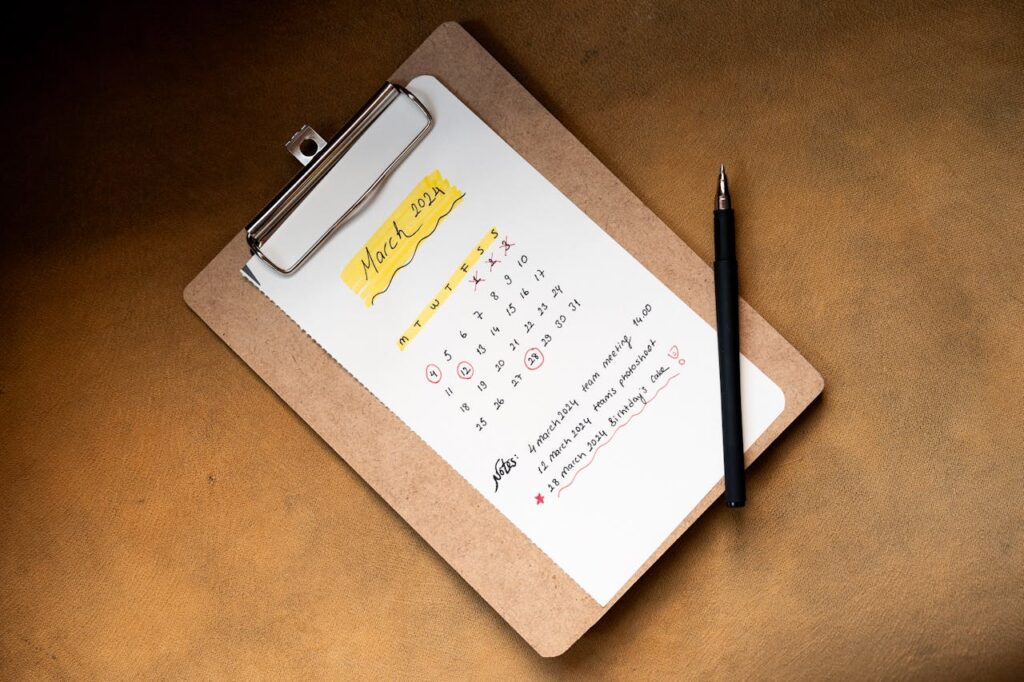
Tying each seasonal session to something that already marks the season change makes it more likely to happen consistently. The first weekend of a new month at the season change, a public holiday that falls in the right window, or a recurring calendar reminder set a year in advance all work.
Block two to four hours for each session depending on the size of the home. Breaking it across two days, one for the core quarterly tasks and one for the season-specific tasks, makes it less daunting for larger homes.
A printed checklist for each season stored with the cleaning supplies removes the planning step from the day of. The list is already made. The session is just execution.
How the seasonal routine fits the broader system
The seasonal routine is the third layer of a complete home maintenance system. Daily and morning resets handle surface maintenance. The weekly clean handles recurring tasks. The monthly schedule handles what doesn’t need weekly attention. The seasonal routine handles everything that falls outside those windows.
Without the seasonal layer, tasks get skipped indefinitely rather than deferred to a defined window. The result is a home where the weekly clean keeps surfaces looking fine but behind-the-scenes buildup accumulates unaddressed until something makes it obvious.