
Direct answer
A nightly home shutdown is a short sequence of tasks done before bed that resets the home for the next morning. It takes 15 to 20 minutes, covers security, kitchen, and common areas, and makes the morning reset significantly easier. Like the morning reset, it works best as a fixed sequence attached to an existing evening habit rather than a loose intention to tidy up before bed.
Why a nightly shutdown matters
Waking up to a clean kitchen and a tidy home changes how the morning starts. The morning reset is faster, the day starts without the low-level stress of yesterday’s mess still visible, and nothing from the night before carries over into the next day.
The nightly shutdown also handles security and safety checks that are easy to forget when they’re not part of a routine. Doors locked, appliances off, anything that needs to run overnight started. These aren’t cleaning tasks but they belong in the same sequence because the sequence is what makes them happen consistently.
What a nightly shutdown covers
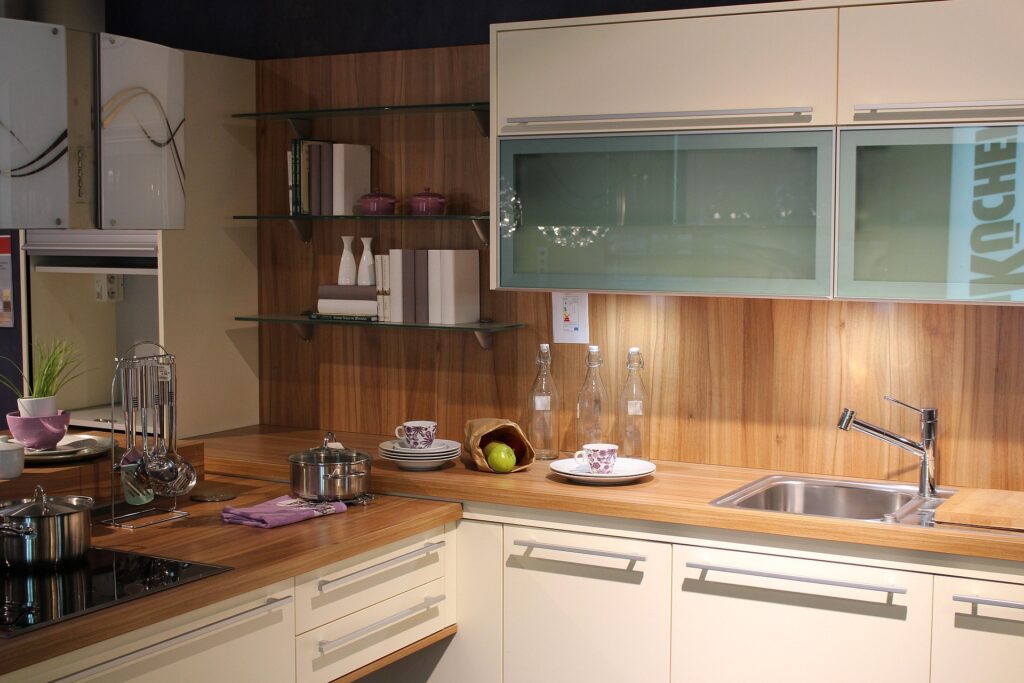
Kitchen reset. The kitchen is the centerpiece of the nightly shutdown. Dishes washed or loaded into the dishwasher and started, counters wiped, stovetop wiped, anything left out from dinner or evening snacking put away. A clean kitchen in the morning is almost entirely determined by what happens in the kitchen the night before.
Common area tidy. A quick pass through the living room and any shared spaces. Cushions straightened, remotes and devices put back, anything that migrated from another room returned to where it belongs. This isn’t deep tidying, it’s a surface reset that takes three to five minutes and makes the space feel ordered for the next morning.
Laundry check. If there’s laundry in the washer, move it to the dryer before bed. Wet laundry left in the washer overnight develops a sour smell and needs to be rewashed. If a load needs to go in and your machine has a delay start option, set it to finish close to when you wake up so it’s ready to move to the dryer in the morning.
Trash check. If the kitchen bin is full or close to it, empty it before bed rather than dealing with an overflowing bin in the morning. If trash collection is the next day, take the bins out as part of the shutdown sequence so it doesn’t get forgotten.
Security check. Front and back doors locked, garage door closed, ground floor windows closed or latched if that’s the household standard. This takes under a minute when it’s part of a fixed sequence and removes the 2am wondering whether the door was locked.
Appliances off. A quick check that the stove is off, small appliances like the coffee maker and toaster are off or unplugged if that’s the preference, and anything that shouldn’t run overnight isn’t running. Start the dishwasher if it’s full. Set the coffee maker if it has a timer.
Lights and thermostat. Last lights off, thermostat set to the overnight temperature. If the household uses smart plugs or a programmable thermostat these can be automated out of the manual sequence entirely.
Personal wind-down prep. Phone on the charger, anything needed for the next morning, bag packed, keys and wallet in their place, set out clothes if that’s part of the routine. These aren’t home tasks but they belong at the end of the shutdown sequence because they complete the transition from the day being active to the home being at rest.
Build it as a sequence with a fixed starting point
The shutdown works best when it starts at the same time every night or is triggered by the same event, finishing dinner, putting the kids to bed, or a set time. A sequence that can start anytime tends to start later and later until it stops happening consistently.
Go through the sequence in the same order every night. Kitchen first since it’s the most work, then common areas, then the security and appliance checks, then personal prep. The order doesn’t need to match this exactly but it should be consistent so the sequence becomes automatic.
The first few weeks require conscious effort. After that it runs on habit and the whole thing takes less mental energy than deciding whether to do it.
Adjust for your household
A household with children has additional shutdown tasks: bags packed for the next day, permission slips signed, anything needed for school or activities ready by the door. These are worth building into the sequence rather than leaving as separate reminders that get forgotten.
Shared households benefit from a clear division of who handles which parts of the shutdown. One person handles the kitchen while another does the common areas and security check. The total time stays the same but it’s split across two people.
A work from home household accumulates more mess during the day since the home is in use for longer. A brief midday reset reduces how much the nightly shutdown has to cover and keeps the home from feeling like it needs a full clean by evening.
What the shutdown doesn’t cover
The nightly shutdown is surface maintenance. It handles what accumulated during the day and sets the home up for the next morning. It doesn’t replace vacuuming, bathroom cleaning, or any of the deeper weekly tasks.
If the shutdown consistently takes more than 20 to 25 minutes, either the home needs a fuller reset before the routine can function as maintenance, or tasks that belong on the weekly schedule are being included in the nightly sequence. The shutdown should address today’s accumulation, not last week’s.
How it connects to the morning reset
The nightly shutdown and the morning reset are two halves of the same system. The shutdown handles what accumulated during the day. The morning reset handles what accumulated overnight and in the first hour of the day. Together they keep the home in a consistent baseline state without requiring deep cleaning sessions more than once a week.
A home where both routines are running consistently is easier to maintain, easier to clean when deeper cleaning does happen, and significantly less likely to reach the point of feeling out of control.