
Direct answer
A morning home reset is a short set of tasks done at the start of the day that keeps the home from accumulating mess between deeper cleans. It takes 10 to 20 minutes depending on the household and works best as a fixed sequence attached to an existing morning habit rather than a separate task block.
Why a morning reset works better than cleaning reactively
A home that gets tidied briefly every morning requires significantly less effort to clean overall. Small resets prevent the compounding effect where one day of skipped tidying turns into a week of accumulated mess that takes hours to address.
The other benefit is psychological. Starting the day in a tidy space reduces the low-level mental load of a visually cluttered home. A made bed and clear kitchen counter don’t take long but change how the space feels for the rest of the day.
The reset works because it’s short enough to be sustainable. It’s not cleaning, it’s maintenance. The distinction matters because cleaning feels like a task and maintenance feels like a habit.
What a morning reset covers
The goal is to address the areas that deteriorate overnight and in the first hour of the morning. Every household is different but the core tasks are consistent across most homes.
Make the bed. This takes two to three minutes and has an outsized effect on how the bedroom looks and feels. A made bed makes the rest of the room look tidier regardless of what else is going on in it. It’s also the task most associated with the discipline of completing the reset since it signals the start of the sequence.
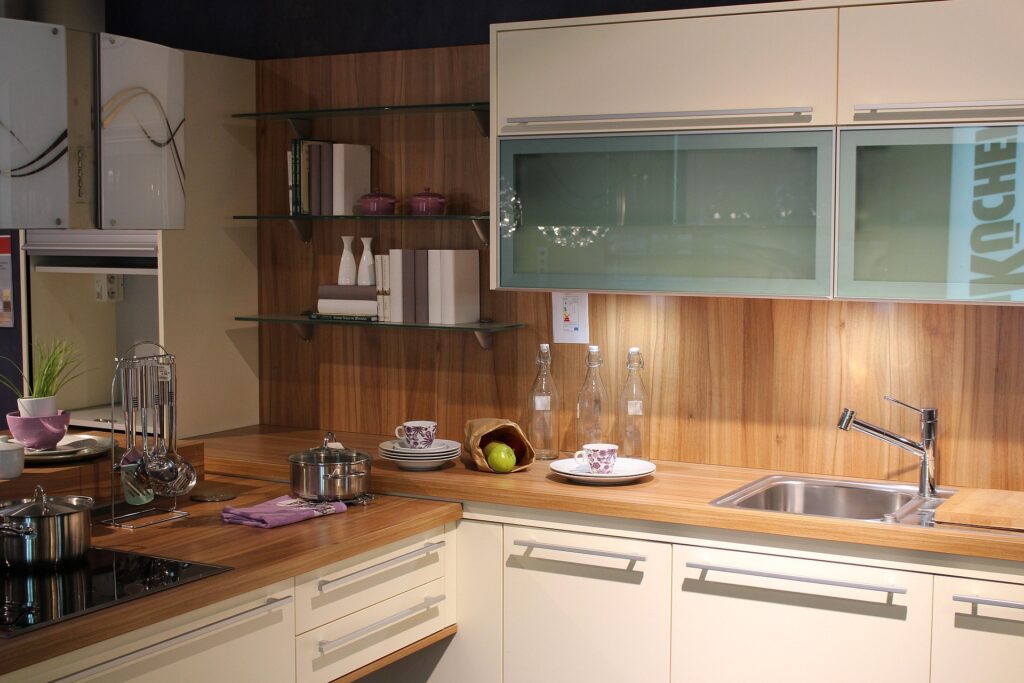
Clear and wipe the kitchen. Dishes from the night before that weren’t handled, counters with crumbs or spills from breakfast, and anything left out from the morning routine. Load the dishwasher or wash what’s in the sink, wipe the counter and stovetop, and put away anything that was left out. This is usually the longest part of the reset but sets the tone for the kitchen for the rest of the day. A nightly kitchen reset done consistently makes this step faster.
Return things to their place. A quick pass through the main living areas returning items to where they belong. Shoes by the door, remotes on the coffee table, bags hung up, clothes off the floor. This isn’t deep tidying, it’s a surface reset that takes a few minutes and makes the space functional for the day.
Deal with laundry. If there’s laundry in the dryer from the night before, fold it or move it before it gets forgotten. If a load needs to go in, start it before leaving the house or heading into the workday so it’s running while you’re occupied with other things.
Empty or check the trash. A quick check of the kitchen bin takes five seconds. If it’s full or close to it, empty it before it becomes a problem later in the day.
Wipe the bathroom sink. A thirty-second wipe of the sink and counter after the morning routine keeps the bathroom looking clean between weekly cleans. If multiple people use the bathroom in the morning, whoever finishes last does the wipe.
Build the sequence, not a checklist
A checklist is something you complete and put down. A sequence becomes automatic. The goal is to do the same tasks in the same order every morning until they happen without thinking about them.
Attach the reset to something that already happens. Making the bed immediately after getting up, wiping the bathroom sink after brushing teeth, clearing the kitchen while coffee brews. Each task attached to an existing action removes the need to decide when to do it.
The sequence should take the same form every day. Variation in what gets done and when introduces decision-making that slows the whole thing down and makes it easier to skip.
Adjust for your household
A single person living alone has a lighter reset than a family of four. The tasks above are the framework, not a fixed list. Add or remove based on what your home actually needs in the morning.
Households with children have additional morning tasks that don’t apply elsewhere: school bags by the door, breakfast dishes handled, common areas picked up after the morning rush. Assigning specific reset tasks to children old enough to help distributes the load and builds the habit in them as well.
A work from home setup means the home is in use all day and the reset matters more, not less. Starting the workday in a tidy space and doing a brief midday reset reduces the end-of-day accumulation significantly.
What keeps the reset from happening
Making it too long. A morning reset that takes 45 minutes isn’t a reset, it’s a cleaning session. If the task list is growing beyond 20 minutes consistently, either the tasks being included are too deep for a morning reset or the home needs a fuller clean before the reset routine can work as maintenance.
No fixed starting point. A reset that can start anytime rarely starts at all. Attaching it to a fixed morning trigger, getting out of bed, finishing breakfast, or before starting work, gives it a consistent entry point.
Skipping days without a recovery plan. One skipped morning reset is fine. Two in a row means the third morning has double the mess to address, which makes skipping a third time more likely. If a day gets skipped, the next morning’s reset gets a five-minute extension to catch up rather than letting it carry over further.
How it fits into a broader cleaning routine
A morning reset handles surface maintenance. It doesn’t replace vacuuming, mopping, bathroom cleaning, or any of the deeper tasks that belong on a weekly schedule. The reset keeps the home functional between those sessions and reduces how much work the weekly clean requires.
Think of it as the daily layer of a three-layer system: daily reset, weekly clean, monthly deep clean. Each layer handles what the others don’t.