A lot of home repairs that end up costing real money start as something small that nobody noticed for months. A slow drip under the sink, an air filter that never got changed, a smoke detector battery that quietly died back in the spring. A monthly checklist is really just a way of catching those things while they’re still cheap and easy to fix. Most months it takes less than an hour.
The short version: pick the systems in your home that actually benefit from regular eyes on them, turn that into a short list of quick tasks, and do it on the same day every month so it becomes a habit instead of something you have to remember to remember.
Why bother with a monthly routine
Things like HVAC systems, plumbing, and appliances don’t fail overnight. They wear down slowly, and most of the warning signs are small and easy to miss if you’re not looking. A quick monthly pass catches a loose fitting or a dying filter while it’s still a five-minute fix, instead of finding out about it when water’s coming through the ceiling. It also just extends the life of the stuff you already own. Filters, seals, and fixtures all last longer when they’re checked and maintained rather than ignored until something breaks.
What you’ll need
Nothing fancy. A notebook or printed checklist, a flashlight for peering under sinks and into cabinets, whatever basic cleaning supplies you already have, and any obvious replacement items on hand, like spare filters or batteries, so you’re not stalling out mid-checklist because you have to run to the store.
Step 1: Decide which areas actually need monthly attention
Not everything in your house needs a monthly look. Focus on the stuff that sees regular use or has moving parts: your HVAC system, plumbing fixtures, major appliances, safety devices like smoke and CO detectors, and any high-use surfaces that show wear quickly. These are the areas where small problems tend to show up first.
Step 2: Write down a short list of tasks
Keep it simple and specific. Something like: check whether the air filter needs replacing, look under sinks for any signs of leaking, test the smoke detectors, run a quick clean on kitchen and bathroom drains, wipe down appliance surfaces, and glance over everything for visible wear or damage. The goal isn’t to deep clean your house every month, it’s to catch problems early.
Step 3: Keep the list realistic
If your checklist is taking two hours instead of thirty minutes, it’s too long and you’ll eventually start skipping it. Anything that doesn’t need monthly attention (gutters, dryer vent, water heater flush) belongs on a seasonal or annual schedule instead. A shorter list you actually do beats a thorough one you abandon after two months.
Step 4: Pick a day and stick to it
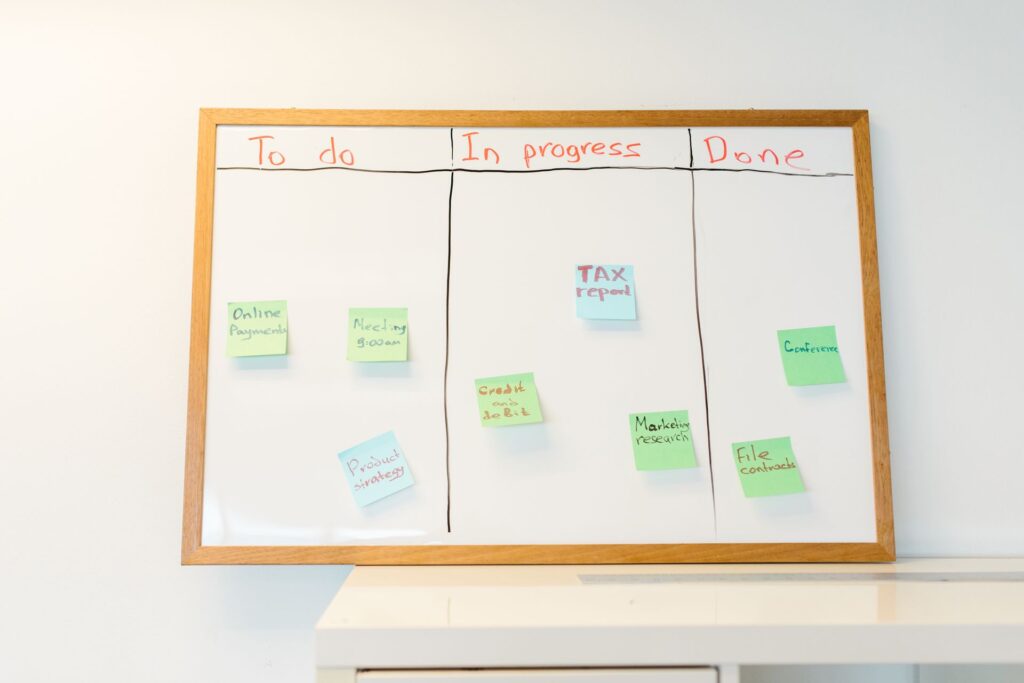
The first Saturday of the month, the day you pay rent, whatever works for your schedule. What matters is that it’s consistent. A maintenance routine that happens “whenever I think of it” tends to slip for months at a time. One that’s tied to a specific day becomes automatic.
Step 5: Actually write it down
A printed checklist or a running note where you can check things off works better than trying to keep it all in your head. It’s a small thing, but seeing tasks marked complete (or seeing them sitting unchecked) is what actually keeps you consistent month over month.
Step 6: Adjust it after a few months
After you’ve run through it three or four times, you’ll notice which tasks keep getting skipped and which ones turn out to be unnecessary. Trim the list down to what you’ll actually do, and add anything you keep noticing needs attention that isn’t on there yet. The checklist should evolve with your home, not stay frozen from the day you wrote it.
Why this actually works
The whole point is prevention over repair. Catching a small leak or a worn seal during a five-minute check is a lot cheaper and easier than dealing with it once it’s caused real damage. A written list also just removes the mental load of trying to remember what needs checking, which is usually the real reason maintenance gets skipped in the first place.
Mistakes that make this harder than it needs to be
Making the list too long is the big one. It turns a quick monthly task into a chore you start avoiding. Skipping months because you didn’t get to it, or noticing something small and telling yourself you’ll deal with it later, adds up fast. So does letting the list go stale, never adjusting it as you learn what your home actually needs. And it’s worth keeping seasonal or annual tasks (gutter cleaning, HVAC servicing) off the monthly list entirely. Mixing timeframes is a fast way to make the whole thing feel overwhelming.
A few extra tips
Keep the checklist somewhere visible, on the fridge, a notes app you open often, wherever you’ll actually see it. Grouping tasks by location (everything in the kitchen, then everything in the bathroom) cuts down on the back-and-forth. And if you already have another monthly habit, like paying bills or doing a deep clean, tacking maintenance onto that existing routine makes it a lot easier to stick with.
When it’s beyond a checklist
If you spot an active leak, anything that looks like an electrical issue, or a system that’s clearly not working right, that’s not a monthly-checklist item anymore. Bring in a professional rather than trying to troubleshoot it yourself. The checklist is meant to catch small stuff early, not replace an actual repair when something’s already gone wrong.