Direct Answer
To maintain an organized home long-term, keep items in designated places, return them after use, and follow simple daily and weekly routines to prevent clutter from building up. Consistency matters more than large, occasional cleanups. Most homes stay organized when small tasks are handled regularly instead of being delayed.
Why Organization Breaks Down Over Time
Even a well-organized home can become cluttered if systems are not maintained. Items begin to collect when they are not returned to their place or when new items are added without removing old ones.
Common causes include:
- Lack of consistent routines
- Storing items without clear categories
- Accumulating more items than the space can hold
- Skipping small daily resets
Maintaining organization requires simple habits that support the system already in place.
Supplies You’ll Need
- Storage bins or containers (if needed)
- Labels (optional)
- Donation box or bag
Most maintenance does not require additional supplies once systems are set.
Step-by-Step: How to Maintain Organization
1. Keep a Place for Everything
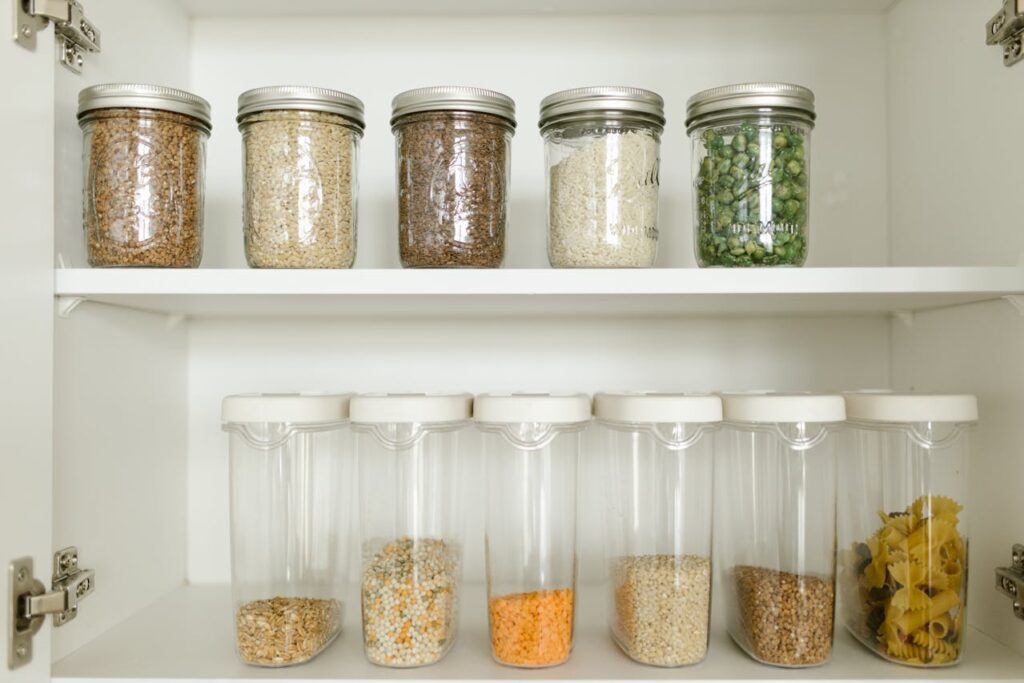
Each item in your home should have a designated location.
When items do not have a clear place, they tend to be left out or moved between rooms.
A defined storage spot makes it easier to return items after use.
2. Return Items Immediately After Use
Put items back as soon as you are finished using them.
This prevents small amounts of clutter from building up throughout the day.
Most tasks take only a few seconds when handled right away.
3. Do a Daily Reset
Spend a few minutes each day returning items to their proper places.
Focus on high-use areas such as:
- Kitchen counters
- Living room surfaces
- Entryways
A short daily reset keeps spaces manageable.
4. Schedule Weekly Maintenance
Set aside time once a week to check key areas.
- Clear surfaces
- Put away misplaced items
- Dispose of trash or clutter
Weekly maintenance helps prevent buildup that requires larger cleanups.
5. Control Incoming Items
Be mindful of what comes into your home.
For new items:
- Remove packaging immediately
- Decide where the item will be stored
- Remove something else if space is limited
Managing incoming items helps prevent overcrowding.
6. Declutter Regularly
Set a schedule to review and remove items you no longer use.
Even a quick review every few months can keep spaces from becoming overfilled.
Reducing excess items makes organization easier to maintain.
Why This Method Works
Maintaining organization depends on consistency rather than large efforts. Daily resets and weekly checks prevent clutter from building up. Assigning clear storage locations reduces decision-making and makes it easier to return items.
A simple system supported by regular habits keeps the home functional over time.
Common Mistakes to Avoid
- Waiting until clutter builds up before taking action
- Storing items without a designated place
- Skipping daily or weekly maintenance
- Bringing in new items without removing old ones
- Overcomplicating organization systems
These habits can lead to clutter returning quickly.
Optional Tips
- Keep storage systems simple so they are easy to maintain. Complex systems are harder to follow consistently.
- Focus on high-use areas first, since these impact daily routines the most.
- Set a reminder for weekly maintenance if needed to stay consistent.
When to Reorganize
Consider reorganizing if:
- Storage spaces are consistently overcrowded
- Items no longer fit the current system
- You are frequently unable to find what you need
Revisiting your system occasionally helps keep it effective.
Final Notes
Maintaining an organized home long-term relies on consistent habits and simple systems. Small daily actions and regular check-ins help prevent clutter from building up and keep your home functional over time.