Direct answer
You can build a functional home tool kit at different budget levels by focusing on essential tools first and adding more versatility as your budget increases. Even a small budget can cover basic repairs if you prioritize the right items.
Start with a realistic approach
A budget tool kit isn’t about getting everything at once. It’s about covering the most common tasks with the least amount of spending.
Most homes only need a small set of tools for everyday fixes like tightening screws, hanging items, and making small adjustments. Once those needs are covered, everything else becomes optional.
If you’re starting from scratch, it helps to understand what tools actually matter long-term. How to Set Up a Basic Home Tool Kit walks through the core tools that handle most situations.
From there, your budget just determines how quickly you build out your setup.
What a $25 tool kit can realistically cover
At this level, the goal is to handle the most basic tasks without stretching your budget too thin.
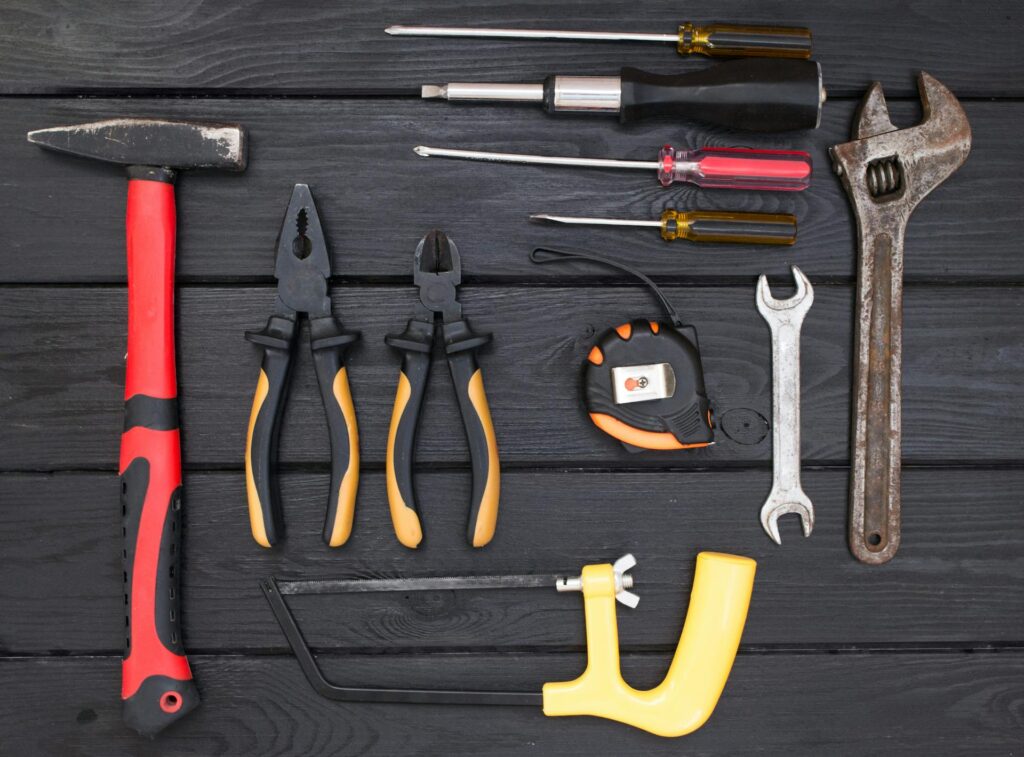
You’re focusing on the tools you’ll reach for first when something small needs fixing. That usually means a hammer, a basic screwdriver, and a simple measuring tool.
You won’t have everything, but you’ll have enough to manage common issues without needing immediate upgrades.
This level works well if you’re just getting started or only need tools occasionally.
What changes at the $50 level
With a slightly higher budget, your tool kit becomes more flexible.
You can add tools that handle a wider range of tasks, like pliers or an adjustable wrench. These make it easier to deal with small repairs that go beyond screws and nails.
You also have a bit more room to choose tools that feel more solid and comfortable to use, which matters over time.
At this point, your kit starts to feel complete for most everyday situations.
What a $75 tool kit allows you to do
At this level, you’re not just covering the basics. You’re building a setup that can handle a wider range of home tasks without needing to borrow or improvise.
You can add items like a utility knife or a set of hex keys, which come up more often than expected with furniture and small repairs.
There’s also more flexibility to choose better-quality versions of your most-used tools, which makes them easier to use and more reliable long-term.
This is where your tool kit starts to feel like something you can depend on, not just something you get by with.
Focus on value, not quantity
It’s easy to assume that a higher budget means more tools, but that’s not always the best approach.
A smaller set of reliable tools will take you further than a larger set of items you rarely use. Adding too much too quickly often leads to clutter and unnecessary spending.
If you’re trying to stay within a budget, it helps to think in terms of function. Every tool should serve a clear purpose in your home.
For a more detailed breakdown of how to prioritize spending and avoid unnecessary purchases, see How to Build a Basic Home Tool Kit on a Budget.
Build gradually instead of all at once
Even if you have the budget for a larger setup, there’s no need to rush.
Starting with the essentials and adding tools over time keeps your spending controlled and your kit more intentional.
You’ll also make better choices because you’re buying tools based on actual use, not guesswork.
That approach usually leads to a more useful setup in the long run.
A simple path that works at any budget
No matter where you start, the goal stays the same.
Focus on the tools you’ll use most. Choose items that feel reliable. Add more only when it makes sense.
A $25 kit can handle the basics. A $50 kit adds flexibility. A $75 kit gives you more confidence across a wider range of tasks.
The difference isn’t just what you own. It’s how prepared you feel when something needs to be fixed.