Direct Answer
To replace an air filter, turn off the system, remove the old filter, insert a new filter in the correct direction, and secure the cover. Most air filters should be replaced every 1–3 months depending on usage, filter type, and household conditions. Regular replacement helps maintain airflow, improve indoor air quality, and keep your system running efficiently.
Why Air Filter Replacement Matters
Air filters trap dust, pet hair, and airborne particles before they circulate through your home. Over time, the filter becomes clogged, which can restrict airflow and make your system work harder.
Replacing the filter regularly helps:
- Maintain proper airflow
- Improve indoor air quality
- Reduce strain on heating and cooling systems
- Lower energy use over time
A clean filter supports both comfort and system performance.
Supplies You’ll Need
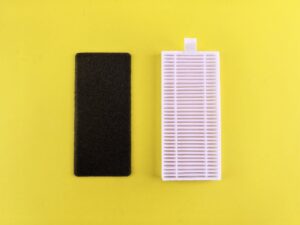
- Replacement air filter (correct size)
- Screwdriver (if the cover is secured)
- Flashlight (optional)
Make sure the new filter matches the size listed on the old filter or the system label.
Step-by-Step: How to Replace an Air Filter
1. Turn Off the System
Turn off your HVAC system at the thermostat before replacing the filter.
This prevents air from moving through the system while the filter is removed.
2. Locate the Air Filter
Air filters are typically located:
- Behind a return air vent
- Inside the HVAC unit
- In a slot near the furnace or air handler
If unsure, check your system manual or look for a removable panel.
3. Remove the Old Filter
Slide the filter out carefully.
Check for dust buildup to confirm it needs replacement. A visibly dirty filter usually indicates restricted airflow.
4. Check the Filter Size and Direction
Look at the size printed on the filter frame (for example: 16×20×1).
Also locate the airflow arrow on the new filter. This arrow should point in the direction of airflow, usually toward the unit.
Installing the filter in the correct direction ensures proper performance.
5. Insert the New Filter
Slide the new filter into place, making sure it fits securely.
Avoid forcing the filter, as bending the frame can create gaps that allow unfiltered air to pass through.
6. Secure the Cover and Turn the System Back On
Replace any cover or panel and turn the system back on.
Once the system starts, check for normal airflow.
Why This Method Works
Air filters collect airborne particles that would otherwise circulate through the system and into your home. Replacing the filter restores proper airflow, which helps the system operate efficiently and reduces strain on internal components.
Correct installation ensures that air passes through the filter rather than around it.
Common Mistakes to Avoid
- Installing the filter in the wrong direction
- Using the wrong filter size
- Forgetting to turn off the system before replacing the filter
- Waiting too long between replacements
- Forcing the filter into place
These mistakes can reduce efficiency or allow dust to bypass the filter.
Optional Tips
- Check your filter monthly, especially during heavy heating or cooling seasons. This helps you replace it before airflow becomes restricted.
- Homes with pets or high dust levels may need more frequent replacements.
- Write the replacement date on the filter frame as a reminder.
When to Call a Professional
Contact an HVAC professional if:
- You cannot locate the filter
- The system shows signs of poor airflow after replacement
- There is excessive dust buildup despite regular filter changes
- The unit makes unusual noises
These issues may indicate a deeper system problem.
Final Notes
Replacing an air filter is a simple maintenance task that supports airflow, air quality, and system efficiency. With regular replacement and proper installation, your HVAC system can run more effectively and require fewer repairs over time.