
Direct Answer
To wash pillows properly, check the care label first, then wash most synthetic or down pillows in warm water with a mild detergent and dry them thoroughly to prevent mildew. Pillows should be washed every 3–6 months to remove sweat, oils, and dust that build up during regular use. Proper washing helps keep pillows fresh, hygienic, and supportive.
Why Pillows Need Regular Washing
Pillows absorb sweat, skin oils, dust, and allergens over time. Even when pillowcases are used, residue gradually builds up inside the pillow.
Regular washing helps:
- Remove allergens such as dust mites
- Reduce odors caused by sweat and moisture
- Maintain pillow freshness and comfort
Cleaning pillows periodically also helps extend their usable life.
Supplies You’ll Need
- Mild laundry detergent
- Washing machine
- Dryer or drying rack
- Tennis balls or dryer balls (optional)
- Clean towels
Avoid using too much detergent, which can be difficult to rinse from pillow filling.
Step-by-Step: How to Wash Pillows
1. Check the Care Label
Always check the pillow’s care label before washing.
Most synthetic and down pillows can be machine washed, but memory foam or latex pillows typically should not be placed in the washing machine.
Following label instructions helps prevent damage to the filling.
2. Load the Washer Properly
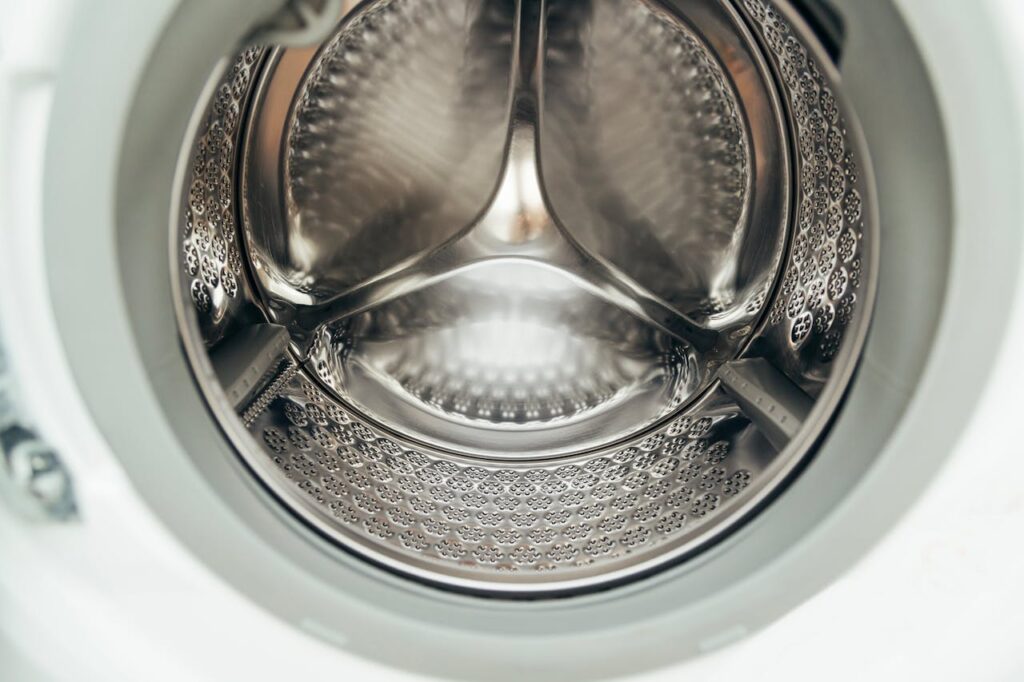
Place two pillows in the washing machine if possible.
Washing two pillows balances the load and allows the machine to spin evenly.
If you only have one pillow to wash, add towels to balance the drum.
3. Wash with Warm Water
Select a gentle or normal wash cycle with warm water.
Add a small amount of mild detergent and allow the washer to complete the full cycle. Running an extra rinse cycle can help remove any remaining detergent from the pillow filling.
4. Dry the Pillows Thoroughly
Dry pillows on a low to medium heat setting.
Add dryer balls or clean tennis balls to the dryer to help fluff the filling and prevent clumping.
Pillows may take longer to dry than regular laundry because the filling holds moisture.
5. Check for Complete Drying
Before using or storing the pillows, make sure they are completely dry.
Moisture trapped inside pillows can lead to mildew or unpleasant odors.
If necessary, run an additional drying cycle.
Why This Method Works
Warm water and mild detergent help remove sweat, oils, and allergens trapped in the pillow filling. Balanced washing prevents the washer from becoming unstable, while thorough drying restores the pillow’s shape and prevents moisture buildup.
Proper drying is especially important because pillow filling can retain moisture longer than other fabrics.
Common Mistakes to Avoid
- Washing memory foam or latex pillows in the machine
- Using excessive detergent
- Skipping the extra rinse cycle
- Removing pillows from the dryer before they are fully dry
- Washing pillows with heavy items like jeans or towels
These mistakes can lead to damaged filling or lingering moisture.
Optional Tips
- Use pillow protectors to reduce buildup between washes.
- Fluff pillows regularly to help maintain their shape.
- Wash pillows every 3–6 months, or more often if allergies are a concern.
When to Call a Professional
Professional cleaning may be useful if:
- The pillow is labeled dry-clean only
- The pillow is made from specialty materials such as feather blends or luxury fabrics
- Stains or odors persist after washing
Some pillows may require specialized care to preserve their structure.
Washing Helps Cleanliness
Knowing how to wash pillows properly is about having simple habits to maintain the health of the material. Periodically washing pillows helps to maintain cleanliness, reduce allergens, and improve sleep comfort. With proper washing and thorough drying, most pillows can stay fresh and supportive for many years.