
Direct Answer
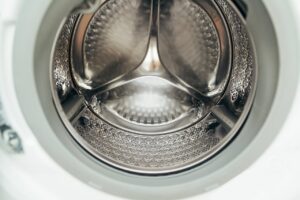
To clean and maintain a washing machine, run a cleaning cycle with vinegar or a washing machine cleaner, wipe the drum and seals, clean the detergent drawer, and check the filter regularly. These steps remove detergent residue, mold, and mineral buildup that can affect cleaning performance. Most washing machines benefit from a quick maintenance cleaning once a month.
Why Washing Machine Maintenance Matters
Although washing machines clean clothes, detergent residue, lint, and mineral deposits can build up inside the drum, hoses, and seals. Over time this buildup may cause odors, reduce cleaning performance, or leave residue on clothing.
Routine maintenance keeps the machine running efficiently and helps extend the life of the appliance.
Supplies You’ll Need
- White vinegar
- Baking soda (optional)
- Microfiber cloths
- Soft brush or toothbrush
- Mild dish soap
- Warm water
Commercial washing machine cleaners can also be used if preferred.
Step-by-Step: How to Clean a Washing Machine
1. Run a Hot Cleaning Cycle
Start by running an empty hot-water cycle.
Add 2 cups of white vinegar directly to the drum or detergent compartment. Vinegar helps dissolve detergent residue, mineral deposits, and odor-causing buildup.
Allow the full cycle to complete before moving to the next step.
2. Optional: Run a Baking Soda Cycle
For additional odor removal, run a second short cycle with ½ cup baking soda added to the drum.
Baking soda helps neutralize lingering odors and lift remaining residue.
This step is especially helpful if the washer has developed a musty smell.
3. Clean the Detergent Drawer
Remove the detergent drawer if your machine allows it.
Soak it in warm water with a small amount of dish soap, then scrub away residue using a soft brush. Rinse thoroughly before reinstalling.
Detergent and fabric softener often collect here and can harden over time.
4. Wipe the Drum and Door Seal
Use a damp microfiber cloth to wipe the inside of the drum and the rubber door gasket (for front-loading machines).
Pull back the folds of the gasket and clean inside them. Moisture and detergent residue can collect in these areas and lead to odor or mold.
Dry the seal thoroughly when finished.
5. Clean the Filter
Many washing machines include a small filter designed to catch lint and debris.
Check your machine’s manual to locate it. Remove any trapped lint, hair, or small objects, then rinse the filter with warm water before reinstalling it.
Cleaning the filter helps maintain proper drainage and washing performance.
How Often to Clean a Washing Machine
Regular maintenance prevents buildup and odor.
Typical maintenance schedule:
- Monthly: Run a cleaning cycle with vinegar or washer cleaner
- Monthly: Wipe door seals and detergent drawer
- Every 3–6 months: Clean the filter and inspect hoses
Households that run frequent loads may benefit from more frequent cleaning.
Common Mistakes to Avoid
- Using too much detergent regularly
- Leaving wet laundry inside the washer for long periods
- Ignoring the rubber door seal on front-loading machines
- Skipping regular cleaning cycles
- Closing the washer door immediately after a wash cycle
These habits can lead to odor, residue buildup, and reduced performance.
Optional Tips
- Leave the washer door slightly open after a cycle to allow the drum to dry. This helps prevent mold and mildew.
- Use the recommended amount of detergent to avoid buildup inside the machine.
- Wipe the drum and gasket occasionally after heavy loads such as towels or bedding.
When to Call a Professional
Consider contacting a technician if:
- The washing machine produces persistent odors despite cleaning
- Water does not drain properly
- The washer makes unusual noises during operation
- You notice leaks around the appliance
These issues may indicate mechanical problems rather than routine maintenance needs.
Final Notes
Cleaning and maintaining a washing machine regularly helps prevent odor, improves washing performance, and extends the appliance’s lifespan. With simple monthly maintenance, most machines can continue operating efficiently for many years.