
Direct Answer
To dry clothes without shrinking them, use low or medium heat settings, remove items while slightly damp, and allow them to finish air drying when possible. High heat is the main cause of fabric shrinkage because it tightens fibers, especially in cotton and wool. Most clothing can be dried safely by controlling heat levels and avoiding over-drying.
Why Clothes Shrink in the Dryer
Shrinkage usually occurs when heat causes fabric fibers to tighten or contract. Natural fibers such as cotton, wool, and linen are especially sensitive to high temperatures.
Other factors that contribute to shrinkage include:
- High dryer heat settings
- Over-drying clothing
- Washing in very hot water before drying
Using gentler drying methods helps protect the shape and size of clothing.
Supplies You’ll Need
- Dryer with adjustable heat settings
- Drying rack or clothesline (optional)
- Dryer balls (optional)
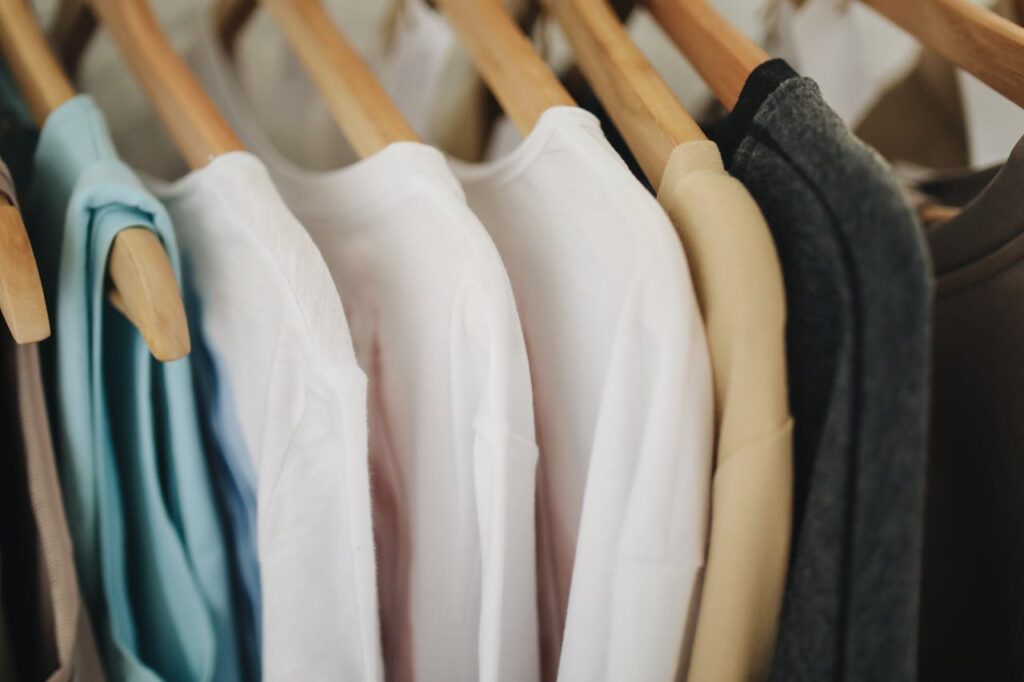
- Hangers for air drying
No special products are required, but proper heat control is important.
Step-by-Step: How to Dry Clothes Without Shrinking
1. Check the Care Label
Before drying, review the clothing care label.
Manufacturers often specify the correct drying temperature or recommend air drying. Following these instructions helps prevent damage to the fabric.
2. Choose a Low or Medium Heat Setting
Select a low heat or delicate cycle when using a dryer.
Lower temperatures reduce the stress placed on fabric fibers and significantly reduce the chance of shrinkage.
Delicate fabrics should always be dried on the lowest available heat setting.
3. Avoid Over-Drying
Remove clothes from the dryer when they are slightly damp.
Over-drying exposes fabric to unnecessary heat and increases the chance of shrinkage.
Allowing garments to finish drying on a hanger or drying rack helps maintain their shape.
4. Separate Heavy and Lightweight Fabrics
Drying similar fabrics together improves drying efficiency.
Heavy items like towels require longer drying times, which may expose lighter fabrics to excessive heat if dried together.
Separating loads helps prevent over-drying delicate garments.
5. Air Dry Delicate Items
Clothing made from wool, silk, or delicate fabrics should usually be air dried.
Lay these garments flat on a clean towel or drying rack to maintain their shape. Hanging delicate fabrics while wet can sometimes stretch them out.
Air drying takes longer but reduces the risk of shrinkage.
Why This Method Works
Fabric fibers tighten when exposed to high temperatures. Lower heat settings allow moisture to evaporate more gradually without causing fibers to contract.
Air drying or finishing garments outside the dryer further limits heat exposure and helps maintain the original shape and size of clothing.
Common Mistakes to Avoid
- Using high heat for most laundry loads
- Leaving clothes in the dryer too long
- Ignoring clothing care labels
- Mixing heavy and delicate fabrics in the same load
- Drying delicate fabrics at high temperatures
These mistakes often lead to unwanted shrinkage.
Optional Tips
- Shake clothes out before placing them in the dryer to reduce wrinkles and improve airflow.
- Use dryer balls to help circulate air and shorten drying time.
- Hang shirts or delicate garments immediately after drying to help them maintain their shape.
When to Call a Professional
Professional garment care may be helpful if:
- A delicate item has already shrunk significantly
- The garment requires special cleaning or drying methods
- The fabric is expensive or difficult to replace
Dry cleaners may be able to reshape certain fabrics depending on the material.
Final Notes
Preventing shrinkage comes down to controlling heat and avoiding excessive drying time. Using lower dryer settings and allowing clothes to finish drying naturally helps preserve the size, fit, and longevity of your garments. Checking care labels and separating delicate fabrics also reduces the risk of damage during drying. With the right settings and a little attention to heat levels, most clothing can be dried safely without shrinking.